The locksmith industry has a well-documented scam problem: fake Google listings, $15 bait-and-switch ads that become $300+ on arrival, unlicensed operators, and unnecessary drilling to sell expensive replacements. Red flags: pricing under $50, no physical address, no license number, unmarked vehicle, demand for cash only, drilling immediately.
- 20+Years on the Treasure Coast
- 5095-Star Google Reviews
- <30 minTypical Port St. Lucie Response
- $89-150Most Emergency Calls
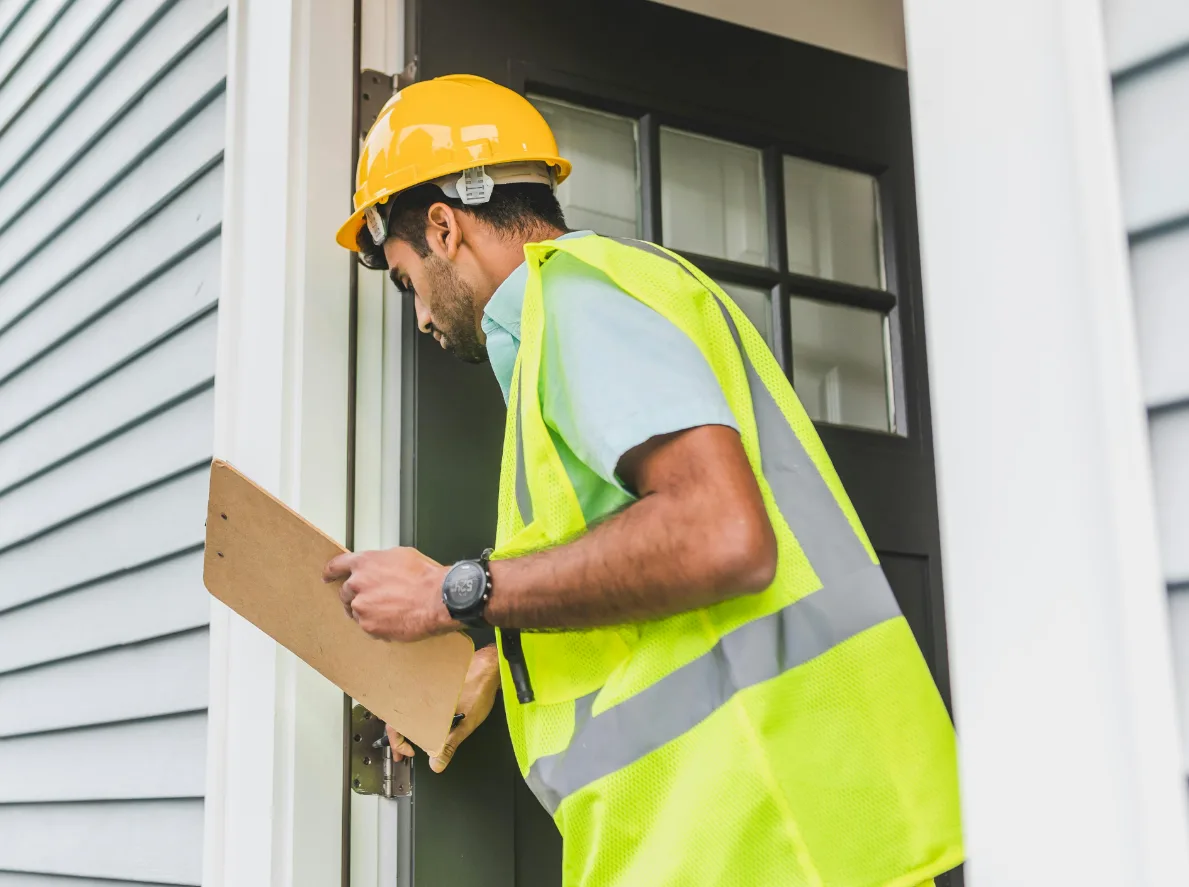
To find a reputable locksmith in Stuart, FL - verify their Florida license on the DBPR website, check Google reviews with photos going back at least 6 months, and confirm they have a real physical address. Treasure Coast Locksmith has served Stuart and Martin County for 20 years - FL License #SR-2847, 507 verified Google reviews, branded service trucks, and flat-rate pricing quoted before any work begins. When you call (772) 758-1322 you reach our Stuart-area dispatch, not an out-of-state call center.
The Locksmith Scam Problem
The locksmith industry has a well-documented fraud problem that consumer protection agencies, Better Business Bureau, and legitimate locksmiths have fought for years. The scam model works like this:
- Fake listings: Scammers create dozens of Google Business Profile listings with fake addresses, stock photos, and local phone numbers that forward to call centers.
- Bait pricing: Ads promise $15-$35 lockout service - impossibly low pricing designed to capture desperate customers locked out at night.
- Switch on arrival: The "locksmith" (often an untrained worker dispatched from a call center) arrives in an unmarked car and claims the job is more complex than expected. Price jumps to $200-$500.
- Unnecessary drilling: To justify the price increase, the scammer drills the lock (destroying it) and then sells an overpriced replacement - often a cheap lock marked up 300-500%.
- Cash demand: Insistence on cash payment to avoid chargebacks. No written invoice. No company information beyond a disposable phone number.
This isn't hypothetical. The Federal Trade Commission, state attorneys general, and local consumer protection offices have documented these operations extensively. The FTC has issued specific guidance about locksmith scams.
Red Flags: When to Hang Up and Call Someone Else
1. Pricing Under $50 for Any Lockout
No legitimate locksmith dispatches a trained technician with an equipped service truck for $15-$35. Fuel, insurance, licensing, and labor costs make it physically impossible to provide professional locksmith service at those prices. When you see $15 or $35, the real price will be revealed on arrival - and it won't be $15.
Realistic lockout pricing on the Treasure Coast: $65-$145 during business hours, $95-$295 after hours. Any price significantly below these ranges warrants skepticism.
2. No Verifiable Physical Address
Legitimate locksmiths have physical business locations - even mobile services operate from a base with an address, equipment storage, and parts inventory. If you Google the company and can't find a verifiable address (or the address is a vacant lot, residential house, or UPS store), it's likely a call center operation.
3. No License Number Provided
Florida requires locksmith licensing. When you call a locksmith, ask for their license number. A legitimate locksmith provides it immediately.
A scammer avoids the question, gives a fake number, or claims licensing isn't required. Verify the number on the Florida DBPR license search.
4. Unmarked Vehicle on Arrival
Professional locksmiths have branded service trucks - company name, phone number, and often license number on the vehicle. Scammers arrive in unmarked personal cars with minimal tools. If the person who shows up has no company branding, no uniform, and arrived in a sedan with a screwdriver and a drill, you're looking at a scam.
5. Immediately Wants to Drill
Drilling a lock is the last resort in legitimate locksmith work. Non-destructive entry (picking, bypass tools) works on 95%+ of residential lockouts. A "locksmith" who immediately suggests drilling is either unskilled (can't pick) or running the drill-and-sell scam (destroy lock, sell expensive replacement).
6. No Written Estimate Before Work
Legitimate locksmiths provide pricing information before starting work - either during the phone call or upon arrival before touching the lock. Scammers avoid committing to a price until after the lock is drilled (when you have no leverage).
7. Demands Cash Only
Cash-only demand prevents chargeback disputes. Legitimate locksmiths accept credit cards, debit cards, and electronic payment. If the "locksmith" insists on cash and won't provide a written invoice, you're dealing with a scam operation.
Green Flags: Signs of a Legitimate Locksmith
1. Established Local Business
Verifiable business history - years of operation, consistent phone number, physical presence in the community. Google the company name and look for genuine business history, not just a website that appeared last month.
2. Real Google Reviews with Photos
Legitimate locksmiths have Google reviews from real customers - reviews that include photos, detailed experiences, and date back over months or years. Scam operations have either no reviews or suspiciously generic 5-star reviews all posted around the same time.
3. Transparent Phone Pricing
When you call, a legitimate locksmith gives you a price range for the service. "Home lockout during business hours is typically $75-$145 depending on the lock type." They don't promise a specific low price to get in the door and switch it later.
4. Branded Service Truck
Company name, phone number, and professional appearance on the vehicle. The truck is equipped with lock picks, key machines, programming equipment, and parts inventory - not just a drill and a screwdriver.
5. Florida License and Insurance
Provides license number readily. Carries liability insurance (ask for the insurance certificate if you want to verify). Licensed locksmiths have accountability that unlicensed operators don't.
6. Non-Destructive Approach
Attempts to open the lock without drilling. Uses pick tools, bypass tools, and specialized entry equipment. Explains what they're doing and why.
Only suggests drilling after non-destructive methods are attempted and failed - with your explicit permission.
7. Written Invoice
Provides a detailed written invoice with company name, address, phone number, license number, description of work performed, parts used, and amount charged. Accepts credit cards and electronic payment. The paper trail protects both you and the locksmith.
How to Verify a Locksmith Before They Arrive
- Google the company name. Look for a real business with history, not just an ad or a new website.
- Check reviews. Real reviews with photos and detail. Be suspicious of only 5-star reviews or reviews that sound generic.
- Ask for license number during the call. Verify on Florida DBPR database.
- Get a price range before dispatch. "How much for a home lockout?" should get you a realistic range, not a $15 promise.
- Verify on arrival. Branded truck? Uniform or ID? Same company name as you called? If anything doesn't match, don't let them touch your lock.
What to Do If You've Been Scammed
If you've already been victimized by a locksmith scam:
- Dispute the charge. Call your credit card company and initiate a chargeback (this is why cash-only is a red flag - no chargeback protection).
- File a complaint with the Florida Department of Business and Professional Regulation (DBPR) if the operator was unlicensed.
- Report to BBB - Better Business Bureau tracks complaint patterns against locksmith operations.
- Report to Google - flag the fake listing. Google has been working to remove fake locksmith listings but relies on user reports.
- Leave a detailed review warning other consumers about the experience.
- Call a legitimate locksmith to evaluate the work. If they drilled unnecessarily or installed cheap hardware, a real locksmith can assess and correct the situation.
Treasure Coast Locksmith: Verifiable and Established
Treasure Coast Locksmith has served Port St. Lucie, Stuart, Vero Beach, Fort Pierce, Jensen Beach, Palm City, Sebastian, and the entire tri-county area for twenty years. Verifiable business history.
Real Google reviews from real Treasure Coast customers. Branded service trucks. Florida licensed and insured.
Transparent phone pricing with no surprises on arrival.
When you call (772) 758-1322, you reach our dispatch - not a call center in another state. The locksmith who arrives is the locksmith we dispatched. The price quoted on the phone is the price charged on arrival (barring genuinely unexpected complexity, which is discussed and approved before work begins).
We've been fighting the scam problem for two decades alongside ALOA (Associated Locksmiths of America) and Florida locksmith associations. We're happy to have this conversation - the more educated consumers are, the less scammers thrive.
Related Services