Treasure Coast Locksmith provides commercial door hardware refinishing services in Port St. Lucie, Stuart, Fort Pierce, Vero Beach, Jensen Beach, and across the Treasure Coast. Call (772) 758-1322 for mobile service. Commercial door hardware refinishing covers polishing, restoration, patina management, and finish matching for commercial buildings. Extends life of existing hardware without replacement. Most common for prestige commercial applications and historic buildings.
Treasure Coast Locksmith coordinates hardware refinishing for commercial and historic buildings across the tri-county.
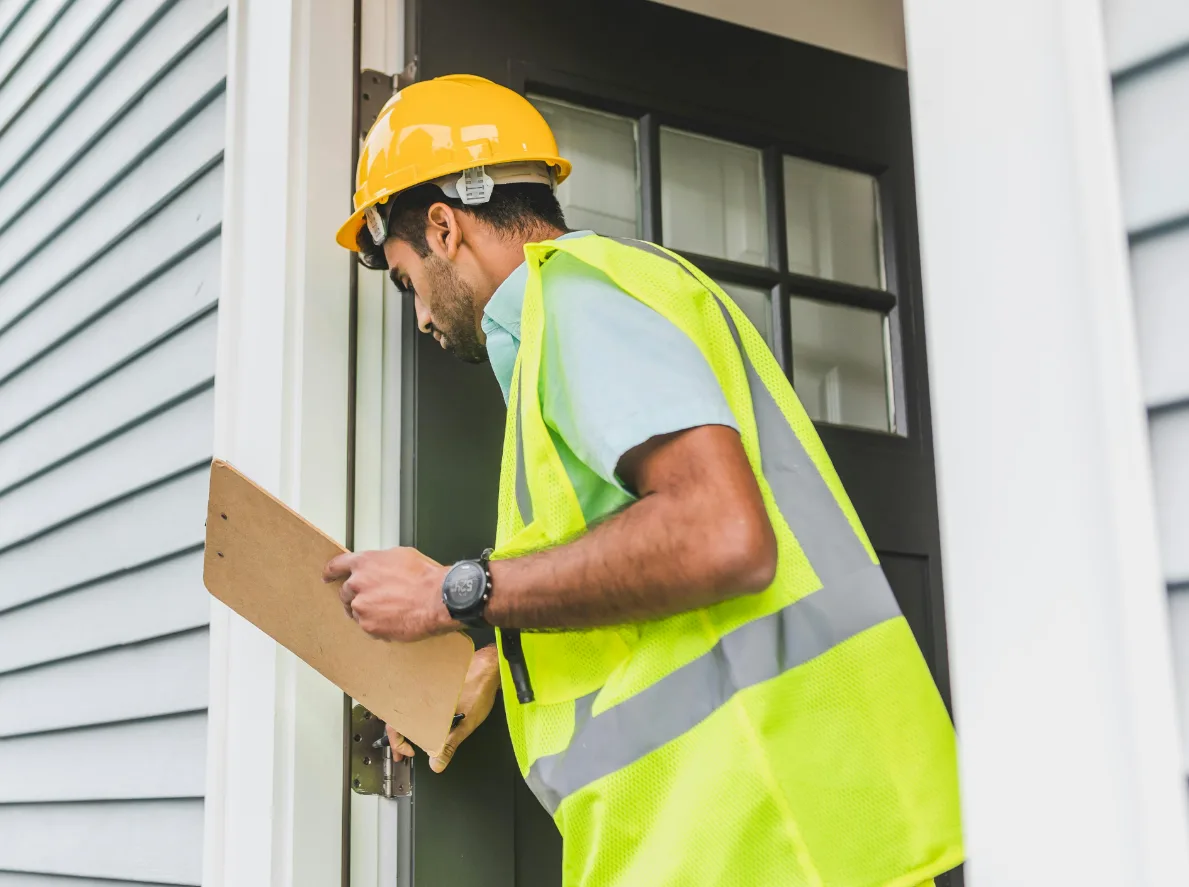
Commercial door hardware doesn't always need replacement when it looks worn. Refinishing - polishing, re-plating, patina restoration - can bring hardware back to original appearance while saving the cost of full replacement. Particularly valuable for prestige commercial applications, historic buildings, and matching specific finish patterns.
Common refinishing scenarios: polishing brass hardware to restore shine, re-plating worn chrome, patina restoration on bronze, cleaning hardware that's dull but not damaged, and matching finish on replacement hardware to existing. Also coordination between door painting and hardware for consistent appearance.
Treasure Coast Locksmith provides commercial door hardware refinishing in coordination with refinishing specialists. Our role is removal of hardware for refinishing, coordination with refinishing contractors, and reinstallation after refinishing is complete. Some simple polishing and cleaning we handle in-house.
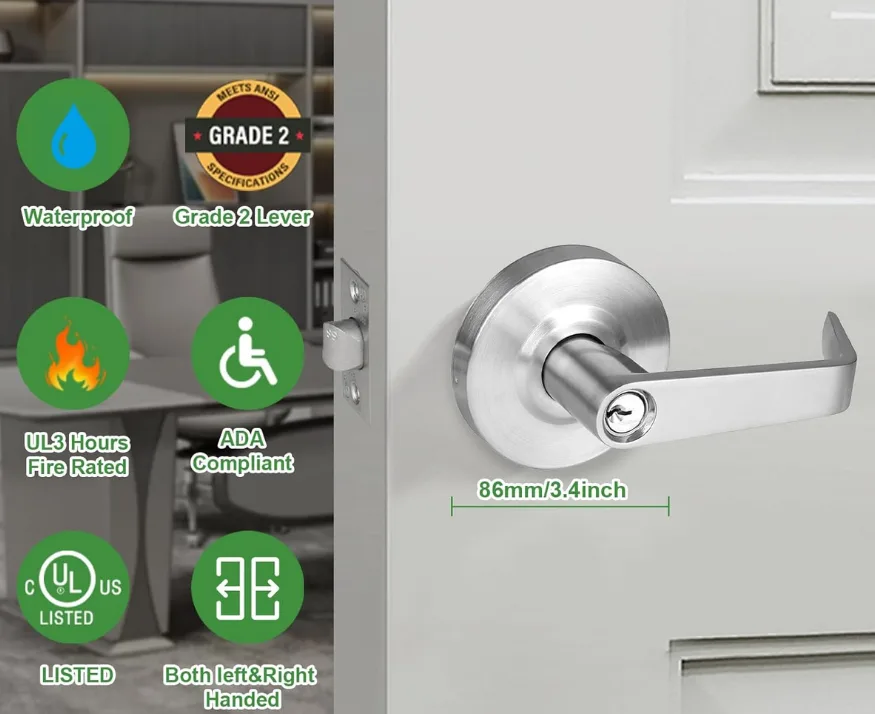
Refinishing specialty
- Hardware polishing - brass, bronze, nickel.
- Patina restoration - natural finish revival.
- Finish matching - new to existing hardware.
- Historic preservation - period-appropriate.
- Cost-effective - alternative to replacement.
- Coordination services - removal and reinstall.
- Prestige applications - executive and lobby.
- Custom finishes - specification work.
Common refinishing scenarios
Real refinishing situations.
Typical calls
- Port St. Lucie executive office with brass hardware polishing.
- Stuart historic building with bronze hardware restoration.
- Vero Beach lobby with chrome plating restoration.
- Fort Pierce Professional office with finish matching for new hardware.
- Jensen Beach historic commercial with period-appropriate refinishing.
- Tradition office building with lobby hardware restoration.
- Palm City corporate lobby with coordinated finish update.
- Treasure Coast historic preservation project with comprehensive refinishing.
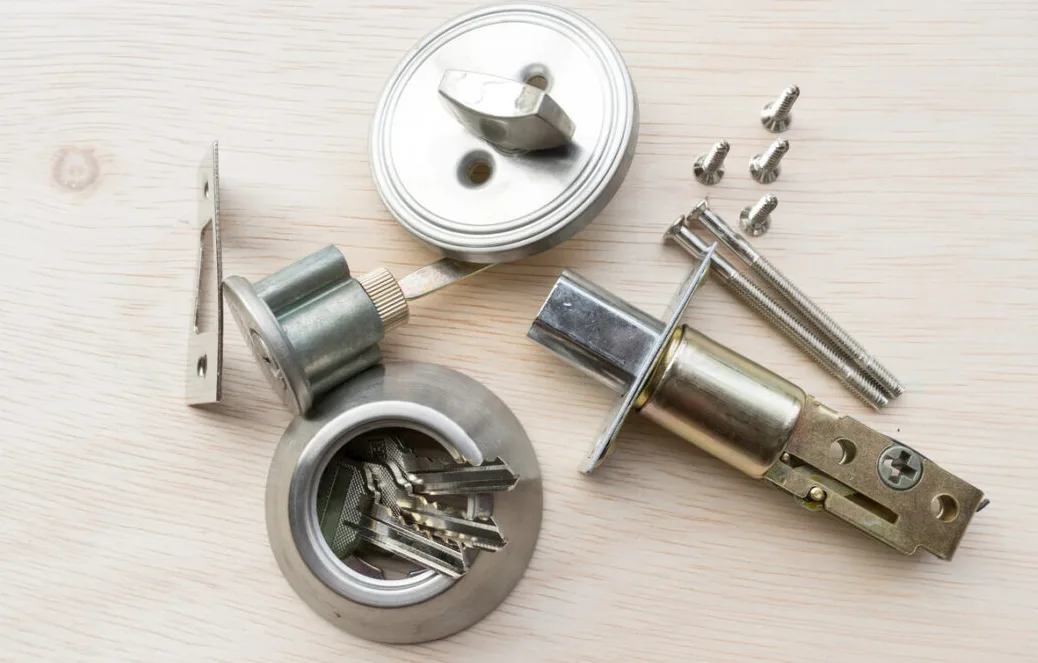
Hardware refinishing options and processes
Hardware refinishing varies depending on the base material and desired outcome. Understanding the options helps plan restoration projects.
Brass Hardware: Solid brass can be refinished in several ways:
• Polishing - buffing to restore shine, periodic maintenance
• Lacquering - clear coat over polished brass to prevent tarnish
• Patina development - allowing natural aging for traditional look
• Re-plating - electroplating with new brass or matching finish
Polished brass requires ongoing maintenance to stay shiny. Lacquered brass lasts longer but requires eventual re-lacquering.
Bronze Hardware: Solid bronze can be restored through:
• Oil-rubbed finish restoration - apply new oil-rubbed patina
• Natural patina development - let age naturally over time
• Polish and lacquer - for shiny bronze look
Bronze is more forgiving than brass because natural patina is often desired.
Chrome Hardware: Chrome plating can be restored by:
• Polishing - minor surface restoration
• Re-plating - stripping old chrome and applying new
Re-plating is more expensive than initial hardware cost in many cases - may not be economical compared to replacement.
Nickel Hardware: Similar restoration options to chrome. Satin nickel is more forgiving of wear than polished nickel.
Zinc Alloy Hardware: Cannot be meaningfully refinished. Zinc alloy base material is weak and refinishing exposes poor base. Replace rather than refinish zinc alloy hardware.
Process Considerations:
Removal: Hardware must be removed from doors for refinishing in most cases. Coordination between locksmith (removal and reinstall) and refinishing contractor (actual work). Some simple polishing possible in-place.
Marking: Each piece of hardware must be marked during removal so it can be returned to the correct location. Important for mortise locks where each lock is specific to its door and function.
Turnaround Time: Refinishing typically takes 1-3 weeks depending on scope and contractor. Temporary hardware may be needed during refinishing period for functional doors. Alternatively, refinishing during construction or renovation periods when doors are out of service anyway.
Historic Preservation: Historic buildings often require period-appropriate refinishing. Preservation specialists can restore antique hardware to original appearance. Costs can be significant but may be worth it for historic preservation projects.
Matching New to Old: When replacing individual pieces in a building with aged hardware, new hardware can be refinished to match existing patina. Artificially aging new hardware for visual consistency. Common in historic preservation and high-end commercial restoration.
When to Replace vs Refinish: Refinish when hardware is functionally good but cosmetically worn. Replace when hardware is mechanically damaged, has failed parts, or is inappropriate for the application. Cost analysis during evaluation - sometimes refinishing costs more than replacement, sometimes much less.
Coordination with Paint: Commercial door refinishing often happens alongside door painting. Painter masks hardware or removes for painting, then locksmith reinstalls after painting is complete. Coordination matters for efficiency and proper results.
Refinishing coordination process
Assessment
Call (772) 758-1322.
Evaluate hardware condition and refinishing options.
Removal
Remove hardware, mark each piece for return to correct location.
Refinishing coordination
Coordinate with refinishing specialist if needed.
Reinstallation
Install refinished hardware, verify operation.
Refinishing tips
- Refinish solid materials (brass, bronze) not zinc alloy.
- Coordinate with door painting for efficiency.
- Mark hardware during removal for correct reinstallation.
- Consider economics - sometimes replacement is cheaper.
- Preserve historic hardware when possible.
- Plan for temporary hardware during refinishing period.
Related services
Other Treasure Coast Locksmith services in this cluster.
Commercial door refinishing FAQs
Common questions from Treasure Coast property owners and facility managers.
Can worn hardware be restored?
Solid brass, bronze, and some other materials can be restored through polishing, re-plating, or patina restoration. Zinc alloy hardware can't be meaningfully refinished - replacement is necessary. Evaluation determines best approach for specific hardware.
How much does hardware refinishing cost?
Varies significantly with scope and materials. Simple polishing: $95-$295 per lock. Full hardware refinishing with specialist: $295-$995 per lock.
Historic preservation work: $595-$2,995+ per lock. Removal and reinstall costs in addition to refinishing itself. Free consultation.
Should I refinish or replace?
Depends on hardware type, age, and cost analysis. High-quality solid brass or bronze worth refinishing. Zinc alloy hardware replace.
Historic hardware usually worth preserving through refinishing. Economics and aesthetics both factor into decision.
Can you remove hardware for painting?
Yes. Hardware removal for door painting and reinstallation after painting complete. Ensures clean paint job and preserves hardware.
Standard coordination service for commercial painting projects.
Do you handle historic buildings?
Yes. Historic commercial buildings with period-appropriate hardware. Coordinate with preservation specialists for proper restoration.
Document for preservation records. Common for Treasure Coast historic commercial properties.
Can you match finish on new hardware?
Yes. New hardware can be refinished to match existing aged hardware. Artificial aging and patina matching for visual consistency.
Common when adding new doors to buildings with existing historic hardware.
What about polished brass maintenance?
Polished brass requires ongoing maintenance to stay shiny. Periodic polishing, protection from salt air (coastal applications), and occasional lacquer refresh. Some buildings accept natural tarnishing as patina; others maintain shiny appearance.
Can you coordinate with refinishing contractors?
Yes. Our role is hardware removal and reinstall. Actual refinishing is done by specialists - polishing shops, platers, or preservation specialists.
We coordinate the handoff between locksmith work and refinishing work.
What about zinc alloy hardware?
Can't be meaningfully refinished. Zinc alloy is inexpensive hardware with plated finish - when the plating wears, there's no good way to restore it. Replacement is necessary.
Future specification should be solid brass or bronze for applications where refinishing might be desired later.
Can you handle hardware polishing only?
Simple polishing and cleaning we handle in-house for solid brass and bronze. Minor restoration without full refinishing. More extensive restoration typically goes to refinishing specialists.
How long does refinishing take?
In-house polishing: same day or next day. Specialist refinishing: 1-3 weeks depending on scope. Historic preservation: longer, sometimes months for significant projects.
Plan refinishing during non-critical periods.
Can you match existing finish types?
Yes with limitations. Refinishing can match most common finishes - polished brass, satin brass, oil-rubbed bronze, natural bronze, polished chrome, satin chrome, polished nickel, satin nickel. Rare custom finishes may be harder to match exactly.
Consultation determines feasibility.