- 20+Years on the Treasure Coast
- 5095-Star Google Reviews
- <30 minTypical Port St. Lucie Response
- $89-150Most Emergency Calls
Can a locksmith open a safe without damaging it?
Yes, professional locksmiths can open most safes without damage using specialized tools and techniques. Licensed locksmiths in Port St. Lucie, including Treasure Coast Locksmith with 20+ years of experience, employ non-destructive methods like lock picking, manipulation, and decoding rather than drilling or prying. High-security safes like Medeco and Mul-T-Lock models require advanced expertise, but skilled technicians assess the safe's locking mechanism - whether it uses ANSI/BHMA Grade 1, Grade 2, or Grade 3 standards - and select appropriate non-destructive approaches. Service costs for safe opening typically range from $150 to $400 depending on complexity, safe age, and mechanism type. Attempting DIY methods risks permanent damage, voided warranties, and costly replacement.
Professional locksmiths begin safe opening with a thorough inspection of the safe's brand, model, and locking mechanism. Brands like Yale, Sargent, and Abloy employ different pin configurations and security features that demand specific knowledge. Using specialized lock picks, tension tools, and sometimes electronic diagnostic equipment, technicians work methodically to manipulate the locking mechanism back to its open position. This process can take 15 minutes to several hours depending on the safe's age and complexity. Treasure Coast Locksmith provides transparent, flat-rate quotes before service begins, ensuring you know costs upfront without surprise charges. The average safe opening in Port St. Lucie takes 45-90 minutes for standard residential safes (Florida Statute 489.5455 governs locksmith licensing standards).
Drilling or cutting a safe destroys its locking mechanism and creates permanent damage that no locksmith can reverse. Insurance claims for safe opening often require proof that non-destructive methods were attempted first. Modern safes with electronic locks and biometric systems require additional expertise; Salto and smart lock systems demand specialized knowledge beyond traditional lock manipulation. If your safe requires drilling due to lost combinations or broken internals, locksmiths document this with photos and written authorization. Treasure Coast Locksmith's 509 five-star reviews reflect years of damage-free safe openings across Port St. Lucie neighborhoods including Port St. Lucie Inlet, Tradition, and downtown areas near Lakewood Park.
- Non-destructive methods preserve safe integrity and warranty
- Professional assessment determines best opening approach
- Flat-rate quotes provided before any work begins
- Drilling required only when mechanism is damaged
- High-security safes (Medeco, Mul-T-Lock) demand specialized expertise
How long does it take a locksmith to open a safe?
Safe opening typically takes 30 minutes to 2 hours depending on the safe's make, model, and lock complexity. Standard residential safes with mechanical locks often open within 45-60 minutes, while high-security models like Schlage B60N or Medeco safes may require 90-120 minutes. Electronic safes with keypad or biometric locks sometimes open faster (20-40 minutes) if the power supply functions, but older safes with corroded mechanisms take longer. Port St. Lucie locksmiths assess your specific safe type during the initial phone consultation to provide accurate time estimates. Service call fees remain flat-rate regardless of opening duration, typically $150 to $400 for residential safes. Emergency after-hours safe opening (8 PM - 7 AM) costs $225 to $450 and may take slightly longer due to travel time.
The time required depends heavily on whether the locksmith can employ manipulation techniques or must resort to technical drilling. Safes manufactured before 1990, common in Port St. Lucie homes near the Tradition neighborhood and older Riverfront properties, often have simpler pin stack designs that open faster through manipulation. Conversely, modern ANSI/BHMA Grade 1 or Grade 2 certified safes with hardened steel and complex bolt mechanisms demand more time and advanced tools. Treasure Coast Locksmith technicians use electronic stethoscopes, manipulation picks, and drilling templates to minimize labor time while respecting your safe. Initial assessment and lock evaluation typically consumes 10-15 minutes; actual opening work follows once the locksmith confirms the best approach.
Weather conditions and safe location accessibility also influence turnaround. A safe mounted in an accessible bedroom closet opens faster than one bolted to a basement floor or embedded in a concrete wall at a commercial property. Port St. Lucie's humid climate (average 78% humidity) can cause mechanical safes to stick slightly, adding 10-20 minutes to opening time. Electronic locks may malfunction due to salt-air corrosion near Inlet areas, requiring component repair before opening. Treasure Coast Locksmith's mobile service reaches anywhere in Port St. Lucie within 20-30 minutes, and their flat-rate model ensures you're not charged per hour of labor - only for the opening service itself regardless of complexity.
- Standard safes: 45-60 minutes
- High-security (Medeco, Mul-T-Lock): 90-120 minutes
- Electronic safes with power: 20-40 minutes
- Older/corroded mechanisms: 120+ minutes possible
- Location accessibility adds 10-20 minutes to total time
What is the cost of opening a safe by a locksmith?
Safe opening costs in Port St. Lucie typically range from $150 to $400 for residential safes during business hours, with emergency after-hours service running $225 to $450. Pricing depends on safe complexity, brand (Schlage, Yale, Sargent, or Medeco command premium rates), and whether non-destructive or drilling methods are needed. Simple manipulation of a standard mechanical safe costs closer to $150 to $200, while high-security models with electronic locks and Grade 3 ANSI/BHMA certification run $300 to $400. Business-hour rates are lowest; calls between 8 AM - 5 PM Monday-Friday remain most affordable. Treasure Coast Locksmith quotes a flat-rate fee by phone before dispatch - never hourly billing - so you know exact costs upfront. Drilling fees add $50 to $100 if the locking mechanism is damaged beyond repair.
Residential safe opening falls into three pricing tiers based on mechanism type and safe age. Standard mechanical safes (15-30 years old) with pin tumbler locks cost $150 to $250 because manipulation techniques work efficiently on simpler designs. Mid-range electronic safes with keypad or combination locks cost $200 to $325; these require power diagnostics and electronic lock knowledge. High-security safes certified to UL 437 standards - like Medeco, Mul-T-Lock, or commercial-grade Abloy models - cost $300 to $450 due to hardened pins, sidebar mechanisms, and complex bolt work. Commercial safe opening starts at $300 and can exceed $600 for vault-level security. After-hours emergency service (8 PM - 7 AM weekdays, or anytime Saturday-Sunday) adds $75 to $125 surcharge. Florida Statute 501.204 requires locksmiths to provide written estimates before commencing work on high-value safes.
Additional fees apply for specialized scenarios: safe relocation ($100 to $250), lock component replacement ($50 to $150), and drilling with specialized equipment ($50 to $100). If a safe requires time-lock bypass or you've lost the combination permanently, drilling becomes necessary - this is the only scenario that adds significant cost. Treasure Coast Locksmith's 509 verified five-star reviews include clients praising transparent pricing across Port St. Lucie from Port St. Lucie Inlet to Downtown near Lakewood Park. Most residential safes open within the base $150 to $250 range; high-security models and emergency calls are the exceptions. Call (772) 758-1322 for a free phone quote - no obligation, no surprise charges.
- Standard mechanical safes: $150-$250 (business hours)
- Electronic safes with keypad: $200-$325
- High-security (UL 437 certified): $300-$450
- After-hours emergency service: add $75-$125
- Drilling if mechanism damaged: add $50-$100
| Service | Flat-Rate Cost | After-Hours Add | Notes |
|---|---|---|---|
| Residential lockout | $89 - $150 | +$20 - $40 | Most common emergency call; under 30 min response in Port St. Lucie |
| Automotive lockout | $89 - $150 | +$20 - $40 | Tools + common key blanks on-truck |
| Commercial lockout | $125+ | +$30 - $50 | Storefront, panic-bar, mortise hardware |
| Car key replacement | $150+ | +$30 - $50 | Cutting + transponder programming on-site |
| Rekey (per cylinder) | $20 - $40 | n/a | Often added to a lockout call same trip |
| Broken key extraction | $75 - $125 | +$20 - $40 | Frequently paired with a rekey |
All pricing quoted flat-rate before work begins. Florida-licensed, fully insured, written receipt provided.
Do locksmiths need special tools to open safes?
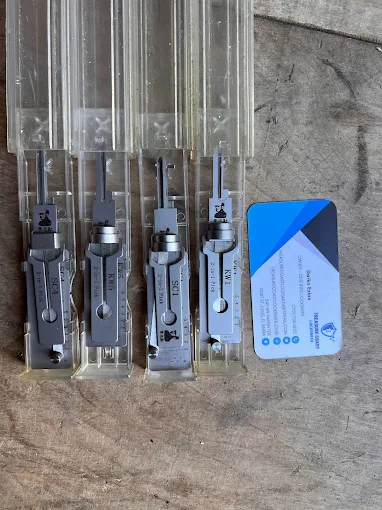
Yes, professional safe opening requires specialized tools including lock picks, tension wrenches, electronic stethoscopes, manipulation picks, and potentially drilling equipment. Non-destructive safe opening demands tools that standard residential locksmiths may not carry; Treasure Coast Locksmith maintains a comprehensive safe-opening toolkit including Schlage pin sets, Yale keyway replicators, and ANSI/BHMA Grade 1-3 compatible manipulation equipment. Advanced tools like electronic lock decoders, borescopes, and ultrasonic thickness gauges cost $2,000 to $8,000 per set, reflecting why specialized safe technicians command premium rates. Portable drill systems with carbide bits ($500 to $1,500) handle hardened safes like Medeco or Mul-T-Lock models. Budget locksmiths without proper tools may resort to destructive drilling immediately; licensed, bonded professionals invest in equipment to preserve client safes and comply with Florida Statute 489.5455 requirements.
Locksmith-grade safe tools differ significantly from hardware store alternatives. Professional lock pick sets designed for safe locks include picks with specific angles (rake, hook, diamond profiles) tailored to different pin stack configurations found in Schlage B60N, Yale YS250, or Sargent safe mechanisms. Tension tools must apply precise pressure without binding; low-quality tools cause false feedback and wasted labor. Electronic stethoscopes amplify the subtle clicking sounds of binding pins, allowing technicians to detect when pins are set - critical for safes older than 2000 with mechanical feedback. High-security safes like Abloy or Mul-T-Lock require specialized picks to manipulate sidebar mechanisms and hardened pins. Treasure Coast Locksmith's 20+ years in business reflects continuous tool investment to handle every safe type across Port St. Lucie.
Drilling equipment must balance precision with speed, especially for hardened-steel safes certified to UL 437 standards. Carbide drill bits withstand the extreme hardness of Grade 1-3 ANSI/BHMA safes; standard steel bits break immediately. Locksmiths use drilling guides and center punches to avoid damaging internal locks, insulation, or adjacent bolts. Digital borescopes ($800 to $1,200) allow technicians to visually inspect internal lock mechanisms before committing to drilling - saving time on complex safes. The investment in these tools separates fly-by-night operators from licensed professionals bonded under Florida law. Treasure Coast Locksmith's mobile van carries redundant tool sets to ensure any safe in Port St. Lucie neighborhoods - from Tradition to Riverside - can be opened efficiently.
- Lock picks and tension wrenches (pick sets $100-$400)
- Electronic stethoscope for pin feedback ($600-$1,200)
- Manipulation picks for hardened pins/sidebars ($200-$500)
- Carbide drill bits and drilling guides ($300-$1,500)
- Borescope inspection camera ($800-$1,200)
What types of safes can locksmiths open?
Professional locksmiths can open virtually all safe types including mechanical, electronic, high-security, and vintage models - though complexity and method vary by mechanism. Common brands opened regularly include Schlage, Yale, Medeco, Sargent, Mul-T-Lock, Abloy, and Kwikset safes in residential and commercial settings across Port St. Lucie. Mechanical combination safes with dial locks open via manipulation; electronic keypad or biometric safes require power diagnostics and code reset capability. High-security models certified to UL 437 or ANSI/BHMA Grade 1-3 standards demand specialized knowledge of hardened pins and sidebars. Vintage safes (1950s-1970s) often open faster due to simpler mechanisms, while modern residential safes present moderate difficulty. Treasure Coast Locksmith handles all safe types, documenting your safe's brand and mechanism during the initial phone consultation to provide accurate time and cost estimates.
Mechanical safes with dial combinations remain the most common residential type in Port St. Lucie homes near the Tradition neighborhood and older Riverside properties. These safes use pin tumbler or cam locks inside the combination dial housing; locksmiths manipulate them using tension and specialized picks to detect binding pins through touch and sound. Electronic safes with digital keypads or biometric (fingerprint/facial recognition) locks present different challenges: if power is available, technicians reset codes; if the safe is unpowered, drilling may be necessary unless a backup mechanical lock is accessible. Gun safes, most commonly Schlage or Kwikset models, open reliably through manipulation since manufacturers prioritize quick access over maximum security. Commercial floor safes and walk-in vaults (Medeco, Sargent brands) demand advanced expertise but are within scope of certified, bonded locksmiths like Treasure Coast Locksmith.
High-security safes with UL 437 certification represent the premium category; these feature hardened steel, anti-drilling plates, and complex sidebar mechanisms that prevent standard lock picking. Medeco and Mul-T-Lock safes use angular key cuts that require specific manipulation techniques or, if unsuccessful, professional drilling. Vintage safes from the 1950s-1980s, often found in Port St. Lucie estates and downtown offices, frequently open quickly due to simpler pin designs and corroded mechanisms that allow faster manipulation. Treasure Coast Locksmith's licensed technicians (20+ years, bonded under Florida Statute 489.5455) assess your specific safe type and provide transparent recommendations: whether non-destructive manipulation will work or drilling is the only option. Call (772) 758-1322 to describe your safe's make and model for an instant estimate.
- Mechanical combination dial safes (manipulation-based)
- Electronic keypad safes (code reset or drilling)
- Biometric safes with fingerprint locks (power-dependent)
- High-security UL 437 certified (Medeco, Mul-T-Lock, Abloy)
- Gun safes and residential models (Schlage, Yale, Kwikset)
Can a locksmith open a safe if I lost the combination?
Yes, locksmiths can open safes without a combination using lock picking, decoding, or drilling techniques tailored to the specific safe mechanism. If you've lost your combination to a mechanical dial safe, technicians employ manipulation methods - applying tension to the dial housing while listening for and feeling pin engagement to work the combination numerically. This non-destructive approach works on most standard safes like Schlage, Yale, and Kwikset models within 30-90 minutes. Electronic safes with lost PIN codes may reset through backup mechanical locks or power-reset methods; if neither option exists, drilling becomes necessary. High-security safes (Medeco, Mul-T-Lock, Abloy brands) require specialized manipulation expertise or may require drilling due to hardened construction. Cost for lost-combination safe opening ranges $150 to $400 depending on safe type and whether drilling is required. Treasure Coast Locksmith provides flat-rate quotes upfront - call (772) 758-1322 before committing.
Mechanical dial safes without combinations are actually ideal for non-destructive locksmith opening. Locksmiths use electronic stethoscopes and manipulation picks to detect the binding pin as you turn the dial; they then calculate the complete combination numerically and input it to open the safe. This method, called "manipulation" or "decoding," requires 30-60 minutes for straightforward safes and carries zero damage risk. The process works reliably on older mechanical safes common in Port St. Lucie estates and residential properties. If manufacturer documentation is available (serial number, proof of ownership), some brands like Schlage or Sargent can provide combination records to the locksmith, expediting the process. This approach costs $150 to $250 and preserves your safe's future usability and resale value completely.
Electronic safes present different scenarios based on power availability and backup access. If your safe has power, the locksmith may reset the code using master override features or manufacturer contact; this solves the problem without opening. If power is unavailable and no mechanical backup lock exists, drilling becomes the only option - adding $50 to $100 to the cost. Safes with analog backup locks (small mechanical keyholes) can sometimes open mechanically even if the electronic system fails. High-security electronic safes (Abloy, Mul-T-Lock brands) resist this approach and often require drilling. Treasure Coast Locksmith's experience across Port St. Lucie's diverse neighborhoods - from Port St. Lucie Inlet to Tradition - means technicians assess all safe types and offer honest recommendations whether opening without the combination is feasible.
- Mechanical dial safes: combination decoding via manipulation (30-60 min)
- Electronic safes with power: code reset using master override
- Electronic safes without power: drilling likely required
- High-security safes (Medeco, Mul-T-Lock): manipulation difficult, drilling common
- Backup mechanical keyholes: alternative non-destructive entry point
Is it legal for a locksmith to open a safe in Florida?
Yes, it is legal for licensed, bonded locksmiths to open safes in Florida under Florida Statute 489.5455, which regulates locksmith licensing and conduct. Professional locksmiths must carry active locksmith licenses issued by the Florida Department of Business and Professional Regulation (DBPR); unlicensed "locksmiths" performing safe opening violate state law. The statute requires locksmiths to verify ownership or authorization before opening safes - locksmiths cannot open safes belonging to others without written consent. Treasure Coast Locksmith holds full licensure and bonding required under Florida Statute 489.5455, ensuring every safe opening complies with state law. Commercial safes and high-value units may require additional documentation per Florida Statute 501.204 (consumer protection); written estimates are mandated for safes exceeding certain value thresholds. Hiring unlicensed locksmiths risks legal liability, uninsured damage, and voided warranties.
Florida Statute 489.5455 establishes clear requirements: all locksmiths must hold active licenses from the Florida DBPR, maintain bonding coverage, and document client authorization before safe opening. The statute prohibits locksmiths from opening safes on property they don't own or possess authorization to access. Before beginning work, licensed professionals must verify proof of ownership - title documents, purchase receipts, or notarized authorization from the safe owner. Treasure Coast Locksmith maintains 509 five-star reviews partly because they consistently follow Florida's legal protocols: confirming ownership, providing written estimates, and documenting every job. The bonding requirement protects consumers if damage occurs, ensuring funds are available for claims. Unlicensed operators sidestep these protections, leaving clients vulnerable to legal complications and uninsured losses.
Commercial safe opening in Port St. Lucie is further regulated under Florida Statute 501.204, which requires written estimates for high-value safes (typically $5,000+). This statute mandates that locksmiths provide detailed explanations of proposed methods, estimated costs, and potential risks before work begins. For business safes in downtown Port St. Lucie offices or Tradition commercial properties, these protections ensure transparency and accountability. Some insurance policies require proof that a licensed locksmith performed the opening; unlicensed work may void claims. Treasure Coast Locksmith's flat-rate quoting system and written documentation comply fully with both statutes, protecting your legal interests and ensuring insurance coverage remains intact. Always request proof of licensure (Florida DBPR number) before authorizing safe opening from any technician.
- Florida Statute 489.5455 requires active locksmith licensure
- Locksmiths must verify ownership/authorization before opening
- Bonding requirement ensures consumer protection and damage coverage
- Written estimates mandated for commercial safes (Statute 501.204)
- Unlicensed operators violate state law and expose clients to liability
How do I find a reliable locksmith to open my safe in Port St. Lucie?
Select a Port St. Lucie locksmith with active Florida DBPR licensure, verifiable bonding, established business presence (20+ years preferred), and transparent flat-rate pricing. Treasure Coast Locksmith meets all criteria: licensed, bonded, 20+ years experience, 509 five-star reviews, and mobile service fleet covering all Port St. Lucie neighborhoods from Port St. Lucie Inlet to Tradition and downtown Lakewood Park. Request proof of Florida Statute 489.5455 compliance by asking for the technician's DBPR license number before dispatch. Avoid locksmiths offering vague hourly rates; professional safe opening uses flat-rate estimates provided by phone before you commit. Online reviews on Google, Yelp, and Better Business Bureau reveal customer experience with specific safe types (Schlage, Medeco, electronic locks). Call (772) 758-1322 to receive a no-obligation quote with exact pricing and estimated timeline for your safe.
Vetting a locksmith begins with verifying Florida licensure - this is non-negotiable. The Florida DBPR maintains a searchable database of licensed locksmiths; any technician refusing to provide their DBPR number is unlicensed and should be rejected. Ask directly: "What is your DBPR license number?" and verify it online before agreeing to service. Licensed professionals like Treasure Coast Locksmith advertise credentials prominently because compliance demonstrates credibility. Bonding insurance protects you if the safe is damaged during opening; confirm your locksmith carries minimum coverage ($10,000+ typical). Local business presence matters: established locksmiths maintain physical offices, published phone numbers, and verifiable histories. Treasure Coast Locksmith's two decades in Port St. Lucie (across neighborhoods from Port St. Lucie Inlet to Riverside) and 509 Google reviews provide transparent proof of reliability.
Pricing transparency is your second vetting criterion. A reliable locksmith quotes a flat-rate fee by phone before dispatch - never hourly billing, never "we'll tell you the price once we arrive." This protects you from surprise charges and indicates the technician's confidence in their expertise. Treasure Coast Locksmith's quoting system includes the technician asking about safe brand (Schlage, Yale, Medeco, etc.), age, and mechanism type to calculate an accurate estimate. Request written confirmation of the quoted price before the technician arrives. Review online testimonials specifically mentioning safe opening; customers praising "quick service," "no damage," and "fair pricing" indicate a locksmith you can trust. For your locksmith service in Port St. Lucie, compare at least two licensed options before deciding. Finally, call (772) 758-1322 today - Treasure Coast Locksmith's mobile team reaches your location within 20-30 minutes of your call.
- Verify active Florida DBPR licensure and license number
- Confirm bonding coverage ($10,000 minimum recommended)
- Review Google, Yelp, and Better Business Bureau ratings
- Request flat-rate phone quote before dispatch (no hourly billing)
- Seek 20+ years local experience and published office address
What should I do if a locksmith can't open my safe?
If a licensed locksmith cannot open your safe using non-destructive methods, they should explain why and recommend drilling as the only remaining option. Scenarios requiring drilling include: time-locked safes with active timers, safes with broken internal mechanisms, and high-security models (Medeco, Mul-T-Lock, Abloy) with extreme hardness that resists manipulation. A professional locksmith must inform you upfront that drilling is necessary, provide a revised cost estimate ($50 to $100 drilling fee), and obtain written authorization before proceeding. Treasure Coast Locksmith documents drilling decisions with photos and written explanations to protect you legally and maintain insurance compliance. Never accept vague excuses like "this safe is impossible" - a licensed, experienced technician assesses feasibility within 15-30 minutes and either succeeds via manipulation or clearly explains why drilling is inevitable. If a locksmith abandons your safe without opening it, request a written explanation and seek a second opinion from another licensed professional.
Some safes are genuinely impossible to open without destruction. Time-lock safes with mechanical timers cannot open before their programmed release time - attempting to do so would require drilling the time mechanism itself, guaranteeing destruction. These safes are designed precisely to prevent access during robberies; even locksmiths cannot override them. High-security safes certified to UL 437 or ANSI/BHMA Grade 1-3 with hardened steel bodies and anti-drilling plates sometimes resist non-destructive methods. Medeco and Mul-T-Lock safes feature sidebar mechanisms and hardened pins specifically engineered to defeat standard lock picking. In these cases, a professional locksmith states this reality within 20-30 minutes and quotes drilling as the necessary approach. Treasure Coast Locksmith's transparency about safe limitations protects you from false hope and helps you make informed decisions about whether opening justifies the cost.
If your safe remains unopened after a locksmith's attempt, request full documentation of what was tried and why it failed. Did they use electronic stethoscopes? Were specific picks employed? What brand and age is the safe? Licensed professionals document these details because they protect against liability claims. Some situations warrant a second opinion: hiring a different experienced locksmith to assess the same safe may reveal techniques the first technician didn't attempt. However, multiple drilling attempts damage the safe increasingly with each try - be cautious about repeated drilling. As a last resort, contact the safe manufacturer (Schlage, Yale, Sargent, etc.) with proof of ownership; some manufacturers retain override keys or combination records for registered safes. Treasure Coast Locksmith's 20+ years means they've encountered nearly every safe type across Port St. Lucie and resolved difficult openings others abandoned - call (772) 758-1322 for a second-opinion consultation.
- Time-locked safes cannot open before release time (destruction unavoidable)
- High-security safes (UL 437 certified) may require drilling
- Request written explanation of why manipulation failed
- Obtain revised cost estimate and written authorization for drilling
- Seek second opinion if first locksmith suggests abandoning the safe
