- 20+Years on the Treasure Coast
- 5095-Star Google Reviews
- <30 minTypical Port St. Lucie Response
- $89-150Most Emergency Calls
What does a failed rekey look like in a residential lock?
A failed rekey shows itself through keys that stick, bind, or fail to turn smoothly in the cylinder, combined with pins that don't align correctly with the shear line. When a locksmith performs a residential rekey improperly - especially on Schlage or Kwikset cylinders common in Port St. Lucie homes - the internal pin stacks may be cut to the wrong heights or installed out of sequence. This misalignment creates friction and binding that becomes immediately apparent during the first few uses. According to industry standards under ANSI/BHMA Grade 2 specifications, pins must be stacked within 0.005 inches of tolerance. A rekey done wrong often violates this precision by 3-4 times that margin, causing the key to hang up at specific points in the turn. Property owners in neighborhoods like Torrey Pines and Downtown Port St. Lucie frequently report that their newly rekeyed locks feel noticeably different from factory-standard locks, suggesting improper pin installation or use of substandard replacement pins.
The mechanical failure of a botched rekey becomes obvious within days of installation. A key that requires excessive force to turn, or one that only turns halfway before binding, indicates that the locksmith either used pins of inconsistent quality or failed to properly measure the original key cuts. Premium lock manufacturers like Medeco and Yale engineer their pins to exact specifications - Medeco's pins alone require special equipment to cut correctly - and any deviation from those specs creates immediate operational problems. The binding sensation you feel is the top pin (driver pin) catching against the housing instead of lifting cleanly to the shear line. This happens when the locksmith didn't account for wear in the original lock cylinder or didn't verify pin heights after installation. Some technicians rush the rekeying process and fail to test the key's operation in the lock before calling the job complete, which would have caught this issue on-site.
Port St. Lucie residents who've experienced poor rekey work often notice the problem affects only certain positions of the key turn - typically near the 45-degree mark or just before full rotation. This pattern indicates that one or two specific pins in the stack are the wrong height, rather than a systemic installation failure. A properly executed rekey, by contrast, produces a smooth, consistent turn throughout the full range of motion. According to the Florida Statute 489.5455 governing locksmith licensing, technicians are required to perform work that meets industry safety and operational standards - a binding or non-functional rekey may constitute grounds for complaint to the Florida Department of Business and Professional Regulation. The problem compounds over time: continued use of a binding lock accelerates wear on both the key and cylinder, potentially requiring full lock replacement rather than another rekey service.
- Key requires excessive downward pressure to turn fully
- Lock binds at a specific point in the rotation
- Key turns smoothly in some doors but not others (suggesting installation inconsistency)
- New key feels distinctly different from the original
- Lock seizes intermittently, especially in humid Port St. Lucie weather
Can a bad rekey damage the lock cylinder permanently?
Yes, a poorly executed rekey can cause permanent damage to the lock cylinder through misaligned pin installation, improper tool use, or forcing incompatible pins into the housing. When locksmiths rekey locks without proper training or equipment, they risk scratching the interior walls of the cylinder, cracking the brass housing, or bending the springs that support the pin stacks. Cylinders used in residential locks - whether Kwikset, Schlage, or Yale models - are precision instruments engineered to ANSI/BHMA Grade 2 standards with internal tolerances measured in thousandths of an inch. A technician who forces pins that are the wrong diameter, uses a dull pick or raking tool, or applies excessive pressure during the rekeying process can create scoring on the cylinder walls. These scratches disrupt the seal between pins and housing, allowing internal wear to accelerate. Port St. Lucie homeowners in areas like Tradition and The Estates have discovered they needed full lock replacement after substandard rekey work, turning a $25 to $45 per-cylinder service into a $150 to $300+ lock replacement expense.
The most common permanent damage occurs when a locksmith installs Mul-T-Lock or Schlage pins designed for a different lock series into a cylinder engineered for standard pins. Each lock manufacturer's pin diameters and material composition vary slightly - Mul-T-Lock pins, for example, feature a rotating element that standard pins don't have. Forcing incompatible pins damages the cylinder's internal guide and shear surfaces. Additionally, if a locksmith uses hand tools like raking picks or tension wrenches too aggressively, they can dent the inside of the cylinder plug, permanently warping it out of roundness. Once the plug is warped, no amount of rekeying will restore smooth operation. High-security locks like Abloy cylinders are especially vulnerable because they incorporate additional internal components (rotating disc tumblers rather than pins) that can be irreparably damaged by improper tool technique. A qualified technician uses specialized plug followers and extraction tools specifically designed to prevent contact with cylinder walls.
Damage to the lock housing itself - not just the internal pins - represents another form of permanent harm from bad rekey work. The brass or die-cast body of a residential lock cylinder is brittle and can crack if excessive leverage is applied during pin installation or if the cylinder is struck with tools. Sargent and Medeco cylinders, which are common in commercial-grade residential installations across Port St. Lucie, cost $75 to $150 to replace individually. Once the housing is cracked, the lock becomes a security liability because it may not retain pins properly or seal against moisture intrusion. According to Florida Statute 501.204, property owners have certain legal rights regarding the quality of services provided by licensed contractors - a rekeying that causes cylinder damage may constitute grounds for demanding corrective work at no additional charge. The best protection is hiring a licensed, insured locksmith who carries liability coverage and guarantees their rekeying work.
- Cylinder plug becomes warped or dented, preventing smooth key insertion
- Internal pin guide surfaces are scratched, causing permanent binding
- Lock housing develops visible cracks or separation
- Cylinder develops micro-leaks due to compromised sealing
- Original lock becomes impossible to rekey a second time
How do you know if the pins were installed in the wrong order?
Incorrectly ordered pins in a rekey manifest as a key that turns partway but won't complete its rotation, or one that opens the lock but feels mechanically unsound throughout the turn. Each pin in a lock's stack serves a specific height function: the driver pins (top pins) must lift precisely to the shear line, while the key pins (bottom pins) must remain below it. When a locksmith installs pins out of sequence - placing a shorter pin where a taller one belongs, or vice versa - the mechanical action becomes asymmetrical. The key will turn smoothly only through the portion of rotation where the misplaced pins happen to align, then suddenly bind. This typically occurs when the first, middle, or last pin in the stack is reversed. Port St. Lucie homeowners may notice their key operates normally during the first quarter-turn, then requires significant force to push past the halfway point. This behavior is a classic indicator of pin-order error. According to ANSI/BHMA standards, each pin position in a five-pin stack corresponds to a specific cut depth on the key, and that sequence must match the lock's engineering specifications exactly.
The root cause of pin-order mistakes often lies in inadequate documentation during the rekeying process. A professional locksmith photographs the original key, documents each pin height, disassembles the lock in a specific order, and reassembles with matching precision. When corners are cut - such as working from memory rather than written measurements, or rekeying multiple homes in rapid succession without individual documentation - pins from one job can accidentally be mixed into another. Kwikset cylinders contain five pins, Schlage cylinders typically contain six, and high-security locks like Salto or Abloy may contain eight or more. A technician working too quickly might install the second and fourth pins correctly but reverse the third, creating binding that only manifests when the key reaches that specific position. Additionally, if a locksmith doesn't verify the completed rekey by testing the key's feel and turning resistance throughout its full range, these mistakes go undetected until the homeowner experiences the lock failure.
Port St. Lucie neighborhoods with older homes, particularly in areas like Parkway and the historic downtown district, sometimes contain locks that have been rekeyed multiple times over decades. This history compounds the risk of pin-order errors because locksmiths may inherit locks with non-standard pin configurations from previous repairs. When rekeying a lock that's already been serviced once or twice, verifying the original pin heights becomes critical. A responsible technician uses calipers or a specialized pin-height gauge to measure each pin before and after installation. The binding sensation from reversed pins differs from the binding caused by incorrect pin heights - with reversed pins, the lock often feels deceptive because early rotation seems smooth before sudden resistance appears. This can mask the problem temporarily, only for it to become obvious after several days of use as the lock tightens further.
- Key turns freely for first 30-40 degrees then binds abruptly
- Lock opens but feels mechanically wrong or asymmetrical
- Binding point is reproducible and occurs at same spot every time
- Original key still works in the lock, suggesting pins are mismatched rather than wrong height
What causes a rekey to be loose or sloppy?
A loose, sloppy rekey results from insufficient pin tension due to weak springs, pins that are too short for the cylinder depth, or improper spring installation during the rekeying process. Pin tension is maintained by coil springs positioned above each driver pin, and these springs must apply consistent upward pressure to keep pins seated below the shear line until the correct key lifts them. When a locksmith installs springs that are too weak, uses aftermarket springs of inferior quality, or fails to properly seat the springs in the pin stack, the pins develop excessive play. This creates a sensation of the lock being "mushy" or loose when the key is inserted and turned - rather than crisp mechanical engagement, there's a spongy, uncertain feeling as pins rattle slightly in the cylinder. Port St. Lucie homeowners often describe loose rekeyed locks as feeling like the key "isn't really controlling" the lock mechanism. This problem is common when budget-conscious locksmiths purchase low-cost replacement springs for Kwikset or generic Schlage cylinders rather than using manufacturer-matched springs designed for the specific lock model. According to ANSI/BHMA Grade 1 and Grade 2 specifications, spring tension must be calibrated to exact force measurements - typically 7-12 ounces of pressure per pin - and any deviation creates tactile looseness.
The mechanical cause of looseness traces back to spring selection during the rekey. A pin spring that's only slightly shorter than the specification - even 1/16 of an inch less - can reduce tension measurably. Additionally, if springs are installed upside-down or if the spring seat isn't fully engaged with the spring base, the spring fails to compress properly, leaving pins with too much vertical play. When a key is inserted into a loose-rekeyed lock, pins don't resist firmly as they should; instead, they move with minimal friction. This loose feeling becomes more pronounced after a few months of use because weak springs fail to restore pins to their original position after each use, allowing them to settle lower in the cylinder. Premium lock manufacturers like Yale and Medeco engineer their springs with specific alloy compositions that maintain consistent tension over thousands of operations. Budget replacement springs often lose their temper after 500-1,000 cycles, becoming even looser.
Loose rekeys also result from cylinders that have been damaged or worn from previous use, making it impossible for any rekey to achieve proper tension. If the cylinder walls are slightly out-of-round or if the pin chambers are worn oversized from age, new pins will be loose simply because they physically don't fit the existing bores tightly. This is particularly common in older Port St. Lucie homes in neighborhoods like South Grove, where original locks may be 30-50 years old. A proper locksmith assessment would have caught this condition and recommended full lock replacement rather than attempting a rekey. Unfortunately, some technicians rekey worn cylinders anyway, knowing the job will feel substandard but charging full rekey rates ($25 to $45 per cylinder). The homeowner then blames the locksmith for poor workmanship when the real issue is cylinder wear. This situation underscores why you should always request a pre-rekey inspection and receive a written assessment of lock condition before work begins.
- Key feels spongy or loose when inserted, with minimal mechanical resistance
- Pins rattle or click audibly inside the cylinder as key turns
- Lock feels looser after few weeks of use as springs lose tension
- Turning the key produces no clear mechanical feel or feedback
- Lock appears to work but feels nothing like the original
Why would a rekey cause the key to stick in the lock?
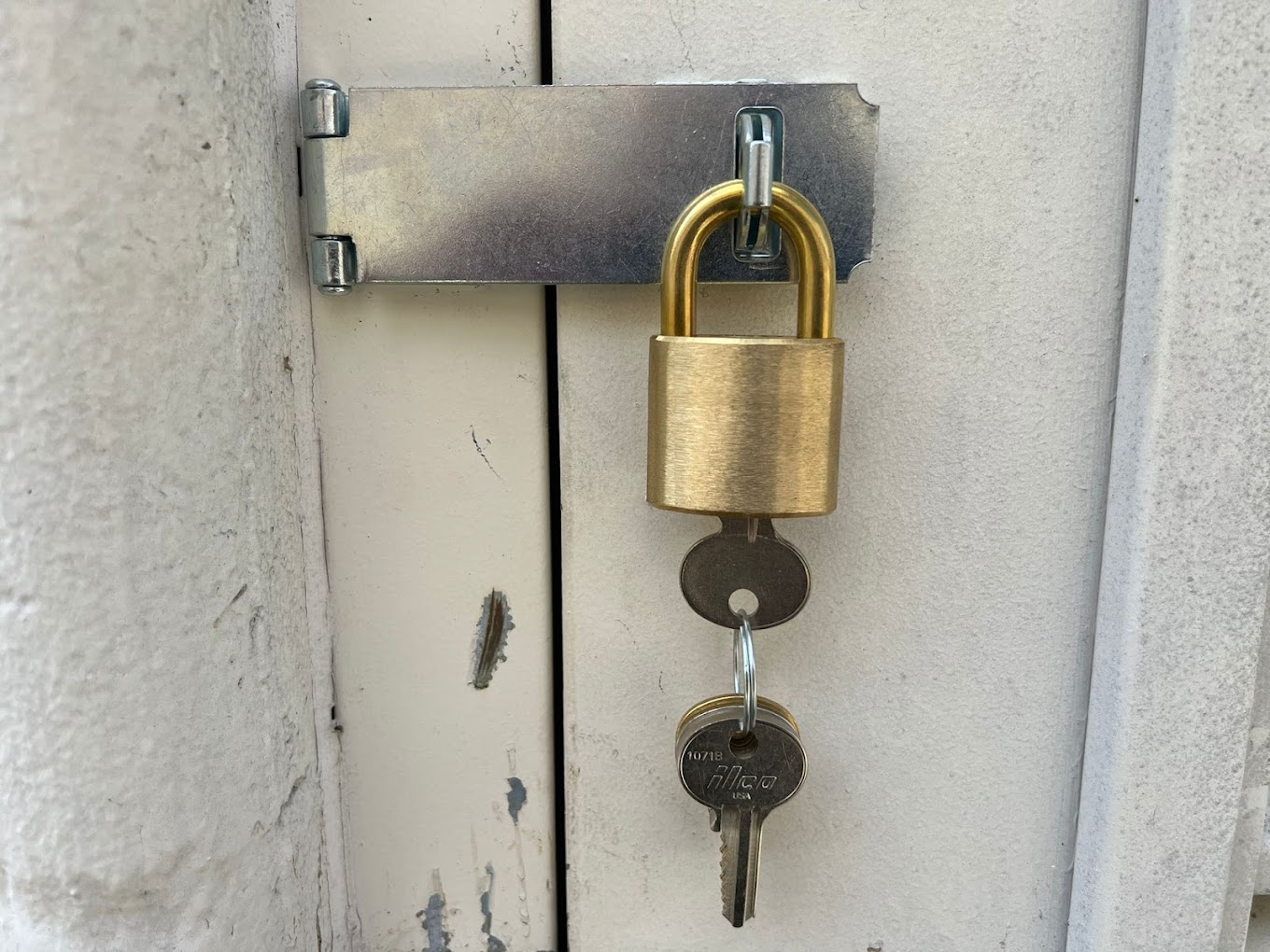
A key sticking in a rekeyed lock indicates internal binding caused by pins that are too tall for the cylinder, improper pin material compatibility, or cylinder damage sustained during the rekeying process. When a locksmith installs pins that exceed the correct height specification - even by 0.010 inches - they interfere with the cylinder plug's rotation and the key becomes mechanically locked. The key can be inserted but won't turn, or it turns partially before locking solid. This is particularly problematic in humid environments like Port St. Lucie, where moisture exposure causes pins and cylinders to swell slightly, amplifying binding issues. A key that sticks consistently at the same rotational point suggests one specific pin is too tall; a key that sticks randomly suggests moisture or material incompatibility. Schlage and Kwikset cylinders are engineered with precise clearance specifications - typically 0.003 to 0.008 inches of total clearance between the plug and the housing. When a locksmith uses incorrect pin measurements or substitutes Mul-T-Lock or Medeco pins (which have different diameters) into standard cylinders, the incompatibility causes sticking. Port St. Lucie residents in areas like Tradition and Downtown Port St. Lucie have reported requiring emergency rekey corrections after their keys became stuck during normal use.
The material composition of replacement pins contributes significantly to sticking problems. Aftermarket pins manufactured to lower specifications than Abloy, Sargent, or Yale originals may have slightly larger diameters or rougher surface finishes. These inferior pins experience more friction when sliding through the cylinder bores, especially after the lock has been in service for even a few weeks. Additionally, if a locksmith doesn't properly deburr or finish the cut edges of new pins before installation, microscopic burrs catch on the cylinder walls during rotation. Some locksmiths reuse pins from the original lock rather than purchasing new ones - a practice that saves money but introduces unknown wear patterns into the system. If original pins were already slightly oversized or damaged from age, reusing them in a rekeyed cylinder guarantees sticking problems. The correct procedure requires always using new, manufacturer-matched pins when performing a rekey, not salvaged material from old locks.
Environmental factors in Port St. Lucie's subtropical climate exacerbate sticking issues in poorly rekeyed locks. The area's high humidity and salt air corrosion (especially near coastal neighborhoods) cause rapid oxidation of lower-quality pins and cylinder materials. Stainless steel pins and brass housings resist corrosion better than standard steel or zinc-plated alternatives, but these premium options require technicians to specify them during the rekey quote. A cheap rekey using standard plated pins will begin sticking within 2-3 months in Port St. Lucie's environment. Furthermore, if the rekeying process involved any water exposure or if the locksmith failed to properly dry internal components after reassembly, surface corrosion begins immediately. A key that starts out turning smoothly after rekeying but gradually becomes stickier is a sign of internal corrosion, indicating the locksmith either used corroded pins initially or failed to properly seal the lock after service.
- Key turns smoothly initially but becomes progressively stickier over days or weeks
- Key sticks at exact same rotational point every time, suggesting single oversized pin
- Key sticks only in high humidity, improving in dry conditions
- Key can be removed only with significant twisting force after sticking
- Lock was smooth before rekey but immediately developed sticking afterward
How can you tell if the locksmith used the wrong key blank for your rekey?
Using an incorrect key blank during a rekey is immediately apparent because the new key either won't fit into the cylinder at all, or it fits but doesn't control the lock mechanism despite the pins being correctly installed. Each lock manufacturer - Schlage, Kwikset, Yale, Medeco - produces key blanks with specific bow shapes, shoulder depths, and cut profiles that are unique to their cylinders. If a locksmith cuts a key on the wrong blank, the resulting key may have the correct pin heights but possess either too much or too little shoulder depth. A key blank with insufficient shoulder depth won't push far enough into the cylinder to contact all pins; one with excess shoulder depth won't fit fully due to the cylinder's stop. Port St. Lucie homeowners may receive a new key that physically won't insert more than halfway, or one that inserts but leaves a gap between the key's bow and the lock face. Additionally, if the key blank's profile doesn't match the lock's keyway - the shaped channel inside the cylinder - the key won't align with pins at all. Using a Kwikset blank for a Schlage cylinder, for example, produces a key that doesn't even fit into the keyway. This mistake suggests either significant negligence or the locksmith misidentified the lock type during the initial assessment.
The technical specifications separating key blanks are surprisingly subtle but critical. Schlage blanks feature a distinct keyway profile with specific angles and depths that differ from Kwikset's design; Medeco and Mul-T-Lock blanks are even more specialized, with rotating cuts or variable depth requirements. When a locksmith rekeysone lock, they must first identify the lock's manufacturer by examining the cylinder's markings, measuring the keyway dimensions, and (ideally) photographing the original key. A sloppy assessment - such as assuming a lock is Schlage because "most homes use Schlage" - leads to ordering the wrong blank. When the locksmith attempts to cut the key, the cutter settings won't align properly with the blank's reference points, producing a key with cut depths at the wrong height relative to where the blank's shoulder sits. The homeowner receives a key that appears to have been cut correctly (looking at the cut pattern), but which doesn't operate the lock because the pins are out of alignment with the key's cuts. This is particularly problematic for high-security cylinders like Abloy or Salto, which require exact blank specifications and cannot be substituted with generic alternatives.
Verifying the correct blank before rekeying begins is a standard step that protects homeowners and locksmiths alike. A professional technician measures the keyway width, documents the lock manufacturer, and confirms blank availability before commencing work. Some locksmiths carry limited blank inventory and may recommend a rekey only if they have the correct blank in stock - a practice that saves the customer from paying for a rekey that cannot be completed successfully. In Port St. Lucie's older neighborhoods like Parkway and South Grove, homes may contain vintage lock cylinders for which certain blanks are harder to obtain, requiring special order. If a locksmith accepts a rekey job without verifying blank availability, the homeowner risks receiving an incomplete or incorrect job. The cost difference between blanks is minimal (typically $2 to $8 per blank), so any locksmith using a wrong blank due to cost-cutting rather than honest error demonstrates poor professionalism.
- New key physically doesn't fit into the cylinder fully
- Key fits partway but stops short with visible gap before the bow reaches the lock face
- Key enters the keyway but requires excessive force due to misaligned profile
- Original key works but new rekey key doesn't, despite feeling mechanically similar
- Locksmith had to order a second key because first blank was wrong
What should you do if you suspect your rekey was performed incorrectly?
If you suspect your rekey was done incorrectly, immediately document the problems with photos and written descriptions, contact the locksmith with specific details within 24-48 hours, and request a full inspection before accepting the work as complete. Most reputable locksmiths like Treasure Coast Locksmith, which maintains 509 five-star reviews over 20+ years of service in Port St. Lucie, offer warranty guarantees on their rekeying work and will perform corrective service at no charge if problems are reported promptly. Your first step is testing the lock thoroughly - insert the key multiple times and rotate it through its full range of motion, noting any binding, sticking, looseness, or unusual resistance. Take short videos of the key operation that clearly show the problem. Then contact the locksmith immediately and describe the specific issue: "The key binds at the 45-degree mark and requires excessive force" is far more useful than "the lock doesn't feel right." Never attempt to force the key or apply excessive leverage, as this may cause additional damage and void the warranty. Document your communication with the locksmith - dates, times, and their responses - in case you need to file a complaint with the Florida Department of Business and Professional Regulation under Florida Statute 489.5455.
When contacting the locksmith about rekey problems, request a specific return visit for inspection rather than attempting repairs yourself. A qualified technician can diagnose whether the issue is pin-height error, pin-order mistakes, spring tension problems, or cylinder damage in 10-15 minutes. If the problem falls within the locksmith's warranty period (typically 30-90 days for standard rekeying work), the corrective service should be provided at no charge. Get the warranty terms in writing before the initial rekey service - ask the locksmith to specify what defects are covered and for how long. If the locksmith refuses to provide warranty coverage or is unresponsive to your calls, that's a strong signal they are not a professional operation. Legitimate locksmiths in Port St. Lucie stand behind their work because a single dissatisfied customer can leave reviews on Google, Yelp, or their website that affect future business. A flat-rate service fee quote by phone - which is standard industry practice - should always include written documentation of what's covered and what isn't.
If the original locksmith denies responsibility or fails to respond, your options include filing a complaint with the Florida Department of Business and Professional Regulation (DBPR), pursuing a chargeback with your credit card company if you haven't yet paid, or hiring a different locksmith to perform corrective work and seeking reimbursement through small claims court. Document everything: the original quote, the work performed, photographs of the problems, written communication with the locksmith, and receipts. The chargeback process typically requires showing the merchant failed to provide services as described, which a video of the lock's binding or sticking clearly demonstrates. For future protection, always request references from the locksmith, verify their Florida license number (which should start with the lock company name abbreviation followed by a numerical identifier per Florida Statute 489.5455), and ask whether they carry liability insurance. Treasure Coast Locksmith's mobile service across Port St. Lucie and surrounding areas includes a commitment to customer satisfaction with documented warranty periods.
- Document the problem with photos or short video before contacting the locksmith
- Contact the locksmith within 24-48 hours with specific descriptions of the malfunction
- Request a return visit for inspection rather than attempting DIY fixes
- Obtain warranty details in writing and verify coverage period before rekeying
- File a DBPR complaint if locksmith denies responsibility or is unresponsive
How much should you expect to pay for a proper residential rekey in Port St. Lucie?
A properly executed residential rekey in Port St. Lucie costs $25 to $45 per cylinder when performed during business hours, with service call fees quoted as a flat rate by phone before the locksmith dispatches to your location. This pricing reflects standard ANSI/BHMA Grade 2 quality locks (Kwikset, Schlage, Yale) without high-security modifications. Multiple cylinders can be rekeyed at the same visit - for example, rekeying all exterior doors to match a new master key typically costs $75 to $180 depending on the number of locks. After-hours service (evenings, weekends, or holidays) carries a premium rate of $100 to $200 surcharge on top of the per-cylinder rekey fee. High-security locks like Medeco, Mul-T-Lock, or Abloy cylinders cost an additional $50 to $100 per cylinder due to the specialized knowledge and tools required. Port St. Lucie residents should always request a flat-rate quote by phone before committing, which allows them to budget accurately without surprise charges. Treasure Coast Locksmith provides transparent flat-rate estimates for all residential rekey services in Port St. Lucie, with mobile service available across neighborhoods like Tradition, Downtown, Parkway, and South Grove. Never agree to pay-per-hour rates for rekeying; the job's duration is predictable enough that hourly billing suggests the locksmith is unsure of their own efficiency.
The pricing structure for rekey work reflects the complexity of the lock type and the locksmith's expertise level. A basic Kwikset cylinder rekey on a residential entry door - a straightforward 5-pin lock - requires 15-20 minutes including key cutting and testing. A Schlage lock with 6 pins takes slightly longer. High-security cylinders like Salto or Sargent locks, which incorporate advanced security features, demand specialized training and equipment, justifying the $50 to $100 premium. Additionally, if the lock is damaged or worn, the locksmith may recommend replacement rather than rekeying, which increases costs to $150 to $300+ per lock. Transparent locksmiths provide this assessment upfront, explaining why rekeying isn't viable and what replacement options cost. Avoid locksmiths who quote standard rekey prices ($25 to $45) without first inspecting the lock - if the cylinder is damaged, the lock will fail after rekeying and you'll face additional corrective costs. A residential rekey service in Port St. Lucie should always include an inspection phase where the technician assesses lock condition and recommends the best solution.
Comparing rekey costs across locksmiths can be misleading without understanding what's included. Some locksmiths quote only the per-cylinder fee, then add charges for key cutting, service calls, travel time, or emergency surcharges. Others provide comprehensive flat-rate quotes that bundle everything except after-hours premiums. A locksmith charging $20 per cylinder but with a $75 service call fee and $25 key cutting charge becomes more expensive than one quoting $40 per cylinder with no additional fees. When requesting quotes, always specify: number of cylinders, lock types (Kwikset vs. Schlage vs. high-security), whether new keys need to be cut, and whether you need the job completed during business hours or after-hours. Treasure Coast Locksmith's licensed, bonded service and 509 five-star reviews reflect customer satisfaction with transparent pricing and quality workmanship over 20+ years. Budget an additional $10 to $15 per key if multiple new keys are needed beyond the standard two per lock.
- Standard per-cylinder rekey rate: $25-$45 during business hours
- After-hours surcharge: $100-$200 premium on top of per-cylinder fees
- High-security lock rekey (Medeco, Abloy, Mul-T-Lock): add $50-$100 per cylinder
- Always obtain flat-rate quote by phone before locksmith dispatches
- Multiple cylinders rekeyed at same visit typically cost $75-$180 for 3-5 locks
| Service | Flat-Rate Cost | After-Hours Add | Notes |
|---|---|---|---|
| Residential lockout | $89 - $150 | +$20 - $40 | Most common emergency call; under 30 min response in Port St. Lucie |
| Automotive lockout | $89 - $150 | +$20 - $40 | Tools + common key blanks on-truck |
| Commercial lockout | $125+ | +$30 - $50 | Storefront, panic-bar, mortise hardware |
| Car key replacement | $150+ | +$30 - $50 | Cutting + transponder programming on-site |
| Rekey (per cylinder) | $20 - $40 | n/a | Often added to a lockout call same trip |
| Broken key extraction | $75 - $125 | +$20 - $40 | Frequently paired with a rekey |
All pricing quoted flat-rate before work begins. Florida-licensed, fully insured, written receipt provided.
When should you hire a professional locksmith instead of attempting a DIY rekey?
You should hire a professional locksmith for any residential rekey because the internal precision of lock cylinders exceeds typical homeowner tool capabilities, and botched rekeying can permanently damage locks or compromise security. Lock rekeying requires specialized tools including a plug follower (a precision device preventing pins from falling during disassembly), a tension wrench calibrated to exact pressure specifications, pin gauges for measuring heights to 0.005-inch accuracy, and professional-grade key-cutting equipment. Schlage and Kwikset cylinders contain five or six pins held in place by springs under tension - if the spring pressure isn't maintained during disassembly, pins scatter and spring seats become misaligned, rendering the lock unusable. Even experienced locksmiths spend 3-4 years apprenticing before competently handling these procedures. A homeowner lacking training will almost certainly cause damage costing $200 to $400+ to correct through professional repair or full lock replacement. Additionally, Florida Statute 489.5455 restricts certain locksmith services to licensed professionals - while you can legally rekey your own lock, an improperly executed rekey on a rental property may violate your lease terms or landlord obligations. Treasure Coast Locksmith's licensed and bonded technicians carry the proper equipment and insurance to guarantee quality work.
The specialized tools required for professional rekeying represent a significant investment that doesn't make sense for one-time homeowner use. A quality plug follower costs $40 to $80, tension wrenches run $25 to $60 each (you may need 2-3 for different locks), and pin gauge sets cost $100 to $200. A professional-grade key cutting machine suitable for cutting keys to rekeying specifications costs $300 to $600 minimum. Beyond equipment, a locksmith requires knowledge of the different pin systems used by various manufacturers - Kwikset uses different pin dimensions than Schlage, which differ from Medeco or Mul-T-Lock designs. A homeowner researching online might assume all 5-pin locks are the same and order incorrect replacement pins, then spend hours attempting an installation that's doomed to fail. Professional locksmiths maintain vendor relationships that ensure they can source exact replacement pins for any lock type, and they know by experience which locks are worth rekeying versus which should be replaced. This expertise, combined with proper tools and insurance coverage, is what justifies the $25 to $45 per-cylinder service fee.
The security implications of an improperly rekeyed lock extend beyond mechanical failure. If a rekey is performed incorrectly, pins may not align properly with the key's cuts, meaning a key that should control the lock might partially or fully fail to operate it. Conversely, if the rekey is sloppy, a wrong key might accidentally open the lock - a serious security vulnerability. High-security locks in Port St. Lucie homes, particularly in upscale neighborhoods like Tradition, employ additional security features (anti-pick pins, rotating elements, hardened steel) that can only be properly rekeyed by technicians with specific manufacturer training. Attempting to rekey a high-security Medeco or Abloy lock without proper training will certainly fail and will likely damage the lock beyond repair. Additionally, if you're preparing to sell your home or rent it out, a professionally documented rekey by a licensed locksmith provides proof to buyers or tenants that the work was completed to industry standards - a DIY rekey provides no such assurance and may actually reduce a home's perceived security value.
- Specialized tools (plug followers, tension wrenches, pin gauges) cost $300+ to purchase
- Risk of permanently damaging lock cylinders without proper technique exceeds potential savings
- Professional locksmiths carry insurance and warranty guarantees on their work
- High-security locks require manufacturer-specific training not available to homeowners
- Licensed rekey documentation provides proof of quality for insurance or real estate transactions