Treasure Coast Locksmith provides kick plate installation services in Port St. Lucie, Stuart, Fort Pierce, Vero Beach, Jensen Beach, and across the Treasure Coast. Call (772) 758-1322 for mobile service. Kick plate installation protects commercial doors from foot, cart, and cleaning equipment damage. Standard materials: stainless steel, brass, bronze, and aluminum. Typical sizes: 8 inches tall for kick plates, 4 inches for mop plates.
Custom sizes available.

Kick plates are the unsung heroes of commercial door protection. They take the abuse from feet, carts, cleaning equipment, and traffic that would otherwise damage expensive doors. A $150 kick plate can prevent hundreds of dollars in door repairs and extend door life significantly.
Standard kick plates are 8 inches tall by door width, mounted to the bottom of the door's push side. Mop plates are smaller (4 inches typically) and protect only the lower door edge from cleaning equipment. Armor plates are larger (36 inches) for doors in extreme wear environments.
Treasure Coast Locksmith installs kick plates for offices, retail, medical facilities, schools, and institutional buildings. Standard sizes in stock for common door widths. Custom sizes ordered to specifications.
Materials include stainless steel, brass, bronze, and aluminum to match existing hardware.
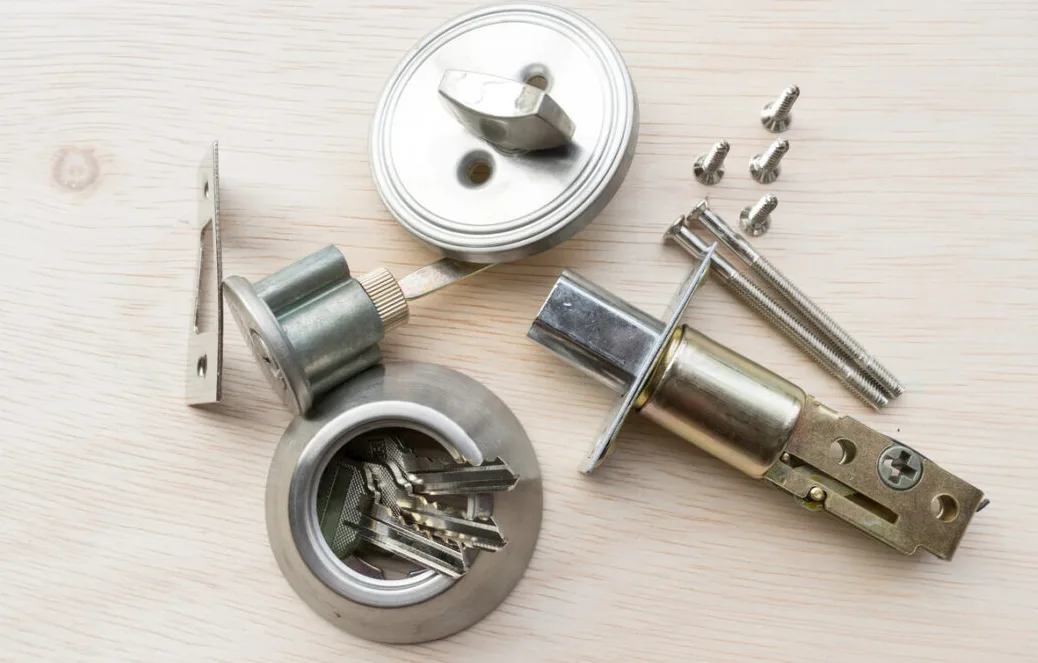
Kick plate specialty
- Stainless steel - most common, durable.
- Brass options - polished or satin finish.
- Bronze plates - oil-rubbed or satin.
- Aluminum plates - lightweight, economical.
- Custom sizes - ordered to specification.
- Mop plates - lower door protection.
- Armor plates - 36+ inch heavy protection.
- Finish matching - coordinated hardware look.
Common kick plate scenarios
Real kick plate installation situations.
Typical calls
- Port St. Lucie retail with stainless kick plate install on main entry.
- Stuart medical office with brass kick plates on exam room doors.
- Vero Beach restaurant with mop plates on kitchen entry.
- Fort Pierce warehouse with armor plates on high-traffic doors.
- Jensen Beach office building with kick plate replacement on lobby doors.
- Tradition church with brass kick plates on sanctuary entry.
- Palm City school with stainless kick plates on 40 corridor doors.
- Treasure Coast hotel with brass kick plate install on suite entries.
Kick plate materials, sizes, and selection
Kick plates vary in material, size, and finish. Understanding the options helps select appropriate plates for each application.
Materials:
Stainless Steel: Most common and durable. Available in #4 brushed (most popular) and #8 polished finishes. Stainless resists corrosion, dents, and wear exceptionally well.
Ideal for heavy-traffic applications.
Brass: Traditional appearance for prestige commercial applications. Available in polished, satin, and oil-rubbed finishes. Requires more maintenance than stainless (polishes tarnish).
Good choice for lobbies, executive offices, and formal commercial entries.
Bronze: Similar to brass but darker color. Oil-rubbed bronze is popular for contemporary commercial applications. Coordinates with bronze door hardware for unified aesthetic.
Aluminum: Lightweight and economical. Good for applications where cost matters more than durability. Common in educational and institutional buildings.
Anodized finishes available.
Plastic/Vinyl: Budget option for residential or light commercial. Not recommended for serious commercial applications - deformation from impact and poor appearance.
Standard Sizes:
Kick Plates: 8 inches tall by door width (6", 8", 10", 12" heights available). Mounted to push side of door, flush with bottom edge. Standard protection for most commercial doors.
Mop Plates: 4 inches tall by door width. Mounted to pull side of door, flush with bottom. Protects against cleaning equipment on the pull side.
Less common than kick plates.
Armor Plates: 36+ inches tall by door width. Used on very high-traffic doors where standard kick plate doesn't protect enough area. Common for institutional facilities and schools.
Stretcher Plates: 10-12 inches tall, designed for healthcare facilities where stretcher traffic damages doors. Reinforced construction for high-impact protection.
Width: Standard plates come in 1-inch increments from 28" to 48" (most common door widths). Custom widths available for non-standard doors. Usually ordered 2" less than door width to allow frame clearance.
Thickness: 0.050 inch (light commercial), 0.063 inch (standard commercial), 0.125 inch (heavy commercial and armor). Thicker plates cost more but last longer in extreme applications.
Installation: Mounted to door with countersunk machine screws into the door face. For fire doors, mounting must not penetrate beyond door thickness limits that could void fire rating - specific requirements per NFPA 80. See NFPA 80 for fire door kick plate requirements.
Code Considerations: Fire doors can have kick plates but with restrictions. Size limits and mounting screw restrictions apply. Always verify compliance for rated doors.
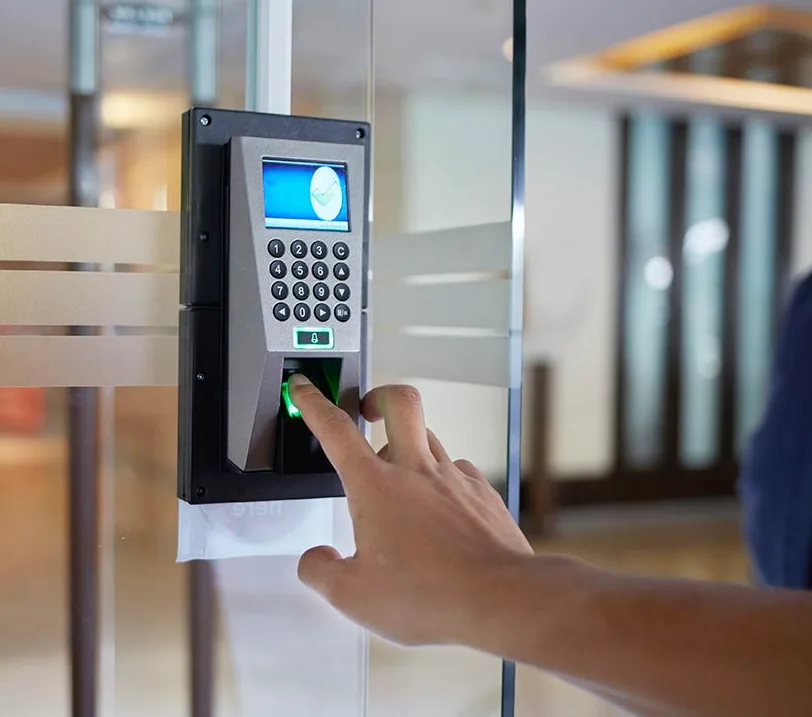
Kick plate installation process
Measurement
Call (772) 758-1322.
Measure door width and select material/finish.
Order or stock
Standard sizes from stock; custom sizes ordered next-day.
Installation
Position plate, drill mounting holes, install with countersunk screws.
Operation verification
Door clearance check and operation verification.
Kick plate tips
- Install kick plates preventively before damage occurs.
- Match material to existing door hardware finish.
- Choose heavier thickness for high-traffic applications.
- Consider mop plates for pull side protection.
- Verify fire door compliance for rated door installations.
- Use armor plates for extreme wear environments.
Related services
Other Treasure Coast Locksmith services in this cluster.
Kick plate installation FAQs
Common questions from Treasure Coast property managers.
How much do kick plates cost?
Standard stainless kick plate installed: $125-$295 per lock. Brass or bronze: $195-$495. Custom sizes or large armor plates: $295-$595.
Mop plates: $95-$195. Pricing varies with material, finish, and door size.
What material should I choose?
Stainless steel for most commercial applications - durable, easy to maintain, resistant to corrosion. Brass or bronze for prestige entries where appearance matters. Aluminum for budget-conscious institutional use.
Match existing hardware finish for consistency.
What size do I need?
Standard 8-inch tall kick plates cover most commercial applications. 10 or 12 inch for high-traffic doors. Mop plates (4 inches) for pull side protection.
Armor plates (36+ inches) for extreme wear. Width should be 2 inches less than door width.
Can you install on fire doors?
Yes with restrictions. NFPA 80 allows kick plates on fire doors but with specific size and mounting restrictions to preserve fire rating. Plates within 16 inches of the bottom are typically compliant.
Verify with fire door inspector for specific rated doors.
Do you match existing hardware finish?
Yes. Stainless, brass (polished and satin), bronze (polished, satin, oil-rubbed), and aluminum finishes available. Tell us the existing hardware finish so we can match for unified appearance.
What about custom sizes?
Custom kick plates ordered to specifications. Non-standard door widths, custom heights, or special material requirements available with 3-5 day lead time. Standard sizes from stock for same-day service.
Can you install on aluminum storefront doors?
Yes. Kick plates on aluminum storefront doors use different mounting approach but same protection goal. Plates designed specifically for storefront applications or custom-fitted to door dimensions.
Do you handle multi-door projects?
Yes. Building-wide kick plate installation for offices, schools, hospitals, or institutional facilities. Volume pricing for large projects.
Coordinated scheduling around occupancy.
What's the difference between kick plates and mop plates?
Kick plates are larger (8 inches typical) on push side of door protecting from foot and cart damage. Mop plates are smaller (4 inches) on pull side protecting from cleaning equipment. Different locations and different protection purposes.
Can you replace damaged kick plates?
Yes. Remove damaged plate, repair any screw holes in door, install new plate. Standard service call.
Damaged plates can sometimes be straightened but usually replacement is more economical.
How long does installation take?
Single door: 30-60 minutes. Multi-door projects: planned by door count and access. Most kick plate installs complete in one visit with stock materials.
Custom orders add lead time.
What about heavy-duty applications?
Heavy 0.125 inch thick plates for warehouses, institutional facilities, and severe environments. Reinforced construction resists impact and wear better than standard 0.050 inch or 0.063 inch plates. Higher cost but much longer life.