Professional locksmiths use non-destructive methods first - always. Lock picking (tension wrench + pick to manipulate pins to the shear line) opens most standard residential deadbolts in 5-10 minutes with zero damage. Bypass tools (shims, bump keys, decoder picks) offer additional non-destructive options.
- 20+Years on the Treasure Coast
- 5095-Star Google Reviews
- <30 minTypical Port St. Lucie Response
- $89-150Most Emergency Calls
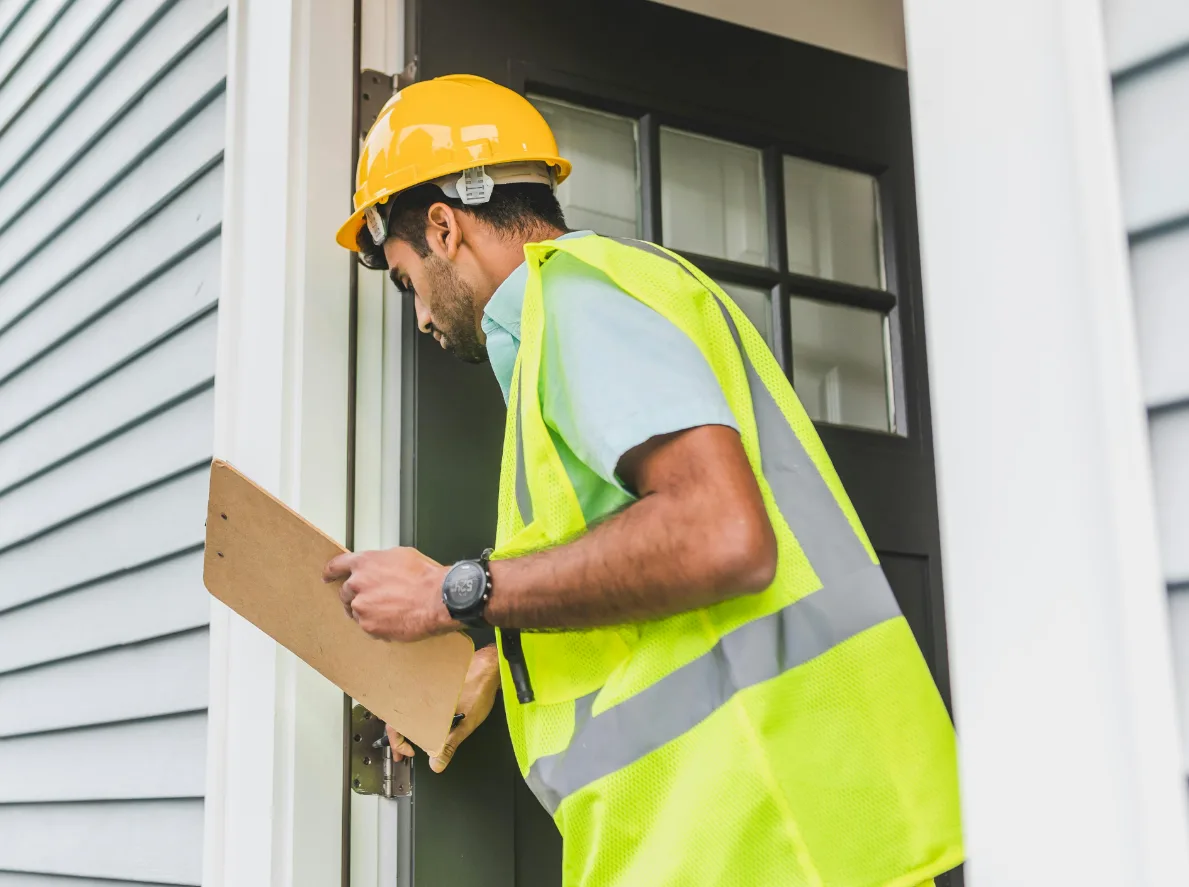
Lock picking does not damage locks when performed by a licensed locksmith. In Fort Pierce and across St. Lucie County, Treasure Coast Locksmith opens 90%+ of residential deadbolts using non-destructive picking and bypass tools - no scratches, no drill marks, your existing keys still work afterward. Drilling is the last resort, used only when picking fails on high-security or severely corroded locks. Darko Ezias, FL License #SR-2847, has served Fort Pierce customers for 15+ years. Call (772) 758-1322 - 24/7 Fort Pierce response.

Non-Destructive Entry: The First Approach
A qualified locksmith carries a full toolkit of non-destructive entry tools. These are always attempted first because: (1) the customer keeps their existing lock, (2) the job is faster, (3) the bill is lower, and (4) it demonstrates professional skill.
Lock Picking
Lock picking uses a tension wrench (inserted into the bottom of the keyway to apply slight rotational pressure) and a pick (inserted to manipulate individual pins up to the shear line). When all pins are set, the cylinder rotates and the lock opens.
Picking leaves zero damage. The pins return to their resting positions. The lock works exactly as it did before - your existing keys still work.
Success rate on standard residential locks (Kwikset, Schlage, Defiant, etc.): 85-95%. Time: 5-10 minutes.
Bump Keys
A bump key is a key blank cut to the maximum depth on every position. Inserted into the lock, a sharp tap (bump) causes the pins to jump momentarily. With the right timing and tension, the pins align at the shear line and the lock opens.
Zero damage. The lock functions normally afterward. However, bump keys don't work on bump-resistant locks (many modern Schlage and Kwikset models include anti-bump features).
Bypass Tools
Bypass methods skip the lock mechanism entirely. Examples:
- Shim bypass: On spring-bolt locks (knob locks without deadbolts), a flexible shim slipped between the door and frame pushes the bolt back. The lock isn't touched.
- Latch slip: A thin tool inserted between the door and frame retracts the latch without engaging the lock at all. Works on improperly installed or poorly aligned doors.
- Decoder picks: Specialty tools that read the pin heights while manipulating them, allowing the locksmith to decode the lock and create a working key without disassembly.
All bypass methods are non-destructive. The lock, door, and frame remain intact.
Car Lockout Methods (Non-Destructive)
Modern automotive lockouts almost never involve the door lock mechanism itself. The approach:
- Air wedge: An inflatable bladder inserted at the top corner of the door frame. Inflated slowly, it creates a 1/2-inch gap between the door and frame without bending or damaging the metal.
- Long-reach tool: A thin, flexible tool inserted through the gap to press the interior unlock button, pull the door handle, or activate the power lock switch.
The vehicle's door lock is never touched. No scratches to the door. No damage to weather stripping (when performed correctly).
No activation of the vehicle's anti-theft system.
Damage risk: minimal when performed by a professional. The air wedge distributes pressure across the frame, preventing the point-stress dents that DIY methods (screwdrivers, coat hangers) cause. See our full guide on what NOT to do when locked out of a car.
When Drilling Becomes Necessary
Drilling destroys the lock cylinder. It's the method of last resort, used only when non-destructive approaches fail. Situations that may require drilling:
High-Security Locks
Locks designed to resist picking, bumping, and bypass - Medeco, Mul-T-Lock, Abloy, ASSA, and similar high-security brands. These locks have anti-pick pins (security pins, serrated pins, rotating elements), anti-bump features, and restricted keyways that defeat standard non-destructive tools.
The locksmith attempts picking with specialized tools first. If the security features do their job (which is the whole point of buying a high-security lock), drilling may be the only remaining option.
Broken or Corroded Mechanisms
A lock mechanism with internal damage - such as a snapped spring, jammed pin, or corrosion binding the cylinder - may be physically impossible to pick because the pins can't move to the shear line. According to 2026 locksmith industry data, corroded locks account for roughly 34% of non-functional residential locks in Florida's humid climate. A Schlage deadbolt that's already non-functional won't be damaged by drilling because the lock isn't working in the first place.
This is common on coastal Florida properties where salt air has corroded internal components.
Time-Critical Emergencies
Child locked in a car in Florida heat. Oven left on inside a locked home. Medical emergency behind a locked door.
In these situations, the locksmith skips the 10-15 minute picking attempt and goes directly to the fastest entry method - which may include drilling or forced entry.
Damage Expectations by Service Type
Residential Lockout
Expected damage: none (90%+ of calls). Standard residential locks open to picking or bypass. The 10% exception: high-security locks, severely damaged/corroded locks, or unusual/antique mechanisms. Even in these cases, the locksmith discusses the situation before drilling.
Car Lockout
Expected damage: none (95%+ of calls). Air wedge and long-reach tools don't touch the lock. Minor risk: slight bending of the door frame if the wedge is over-inflated (poor technique, not standard practice). A professional uses the minimum inflation necessary.
Lock Rekey
Expected damage: none (100% of calls). Rekeying is a standard maintenance procedure the lock is designed for. The locksmith removes the cylinder, replaces pins, reinstalls. The lock is in the same or better condition afterward.
Lock Installation
Lock damage: none. Door modification: yes, but intentional. Installing a new lock requires boring holes through the door (if not already prepped) and cutting the mortise pocket for the latch or bolt. This is standard door preparation, not damage.
Commercial Lockout
Expected damage: none for standard commercial cylinders. Commercial locks (Adams Rite, Von Duprin, Schlage commercial) have known bypass and picking methods. Access control system lockouts may involve electronic resets rather than physical lock manipulation.
Red Flags: Scam Locksmiths Who Drill Unnecessarily
The locksmith scam industry uses drilling as a profit tool. The pattern:
- Quote $35-$50 over the phone (impossibly low for legitimate service)
- Arrive without trying any non-destructive methods
- Immediately drill the lock
- Declare "the lock is destroyed, you need a new one" (which they caused)
- Install a cheap lock and charge $200-$400 for the "emergency replacement"
The total bill: $250-$450 for what should have been a $75-$150 lockout. Read our guide on finding a reputable locksmith and avoiding scams.
How to Protect Yourself
- Ask before they start: "Will you try non-destructive methods first?" A legitimate locksmith always says yes.
- Watch the process: A real locksmith spends 5-15 minutes with picking tools before considering other options. If they reach for the drill within 60 seconds, that's a red flag.
- Get the total price upfront: Before any work begins, ask for the total cost including any potential lock replacement. A legitimate locksmith gives you the lockout fee and explains that lock replacement would be additional only if non-destructive methods fail.
- Check credentials: Florida doesn't require locksmith licensing, so check reviews, business registration, and whether they answer the phone with a real business name.
What to Ask Your Locksmith Before They Start
- "What methods will you try first?" - Answer should include picking, bypass, or other non-destructive techniques.
- "If you need to drill, will you tell me first?" - Answer should be yes, with a revised cost estimate before proceeding.
- "What's the total cost if the lock needs replacement?" - Get the number before work begins, not after the lock is destroyed.
- "Can I see your business identification?" - Real locksmiths have marked vehicles, business cards, and invoices with a real business name.
Locked out on the Treasure Coast? Call (772) 758-1322 - non-destructive entry methods first, every time. Transparent pricing before we start.
No surprise drill-and-replace upsells.
Related Services