Treasure Coast Locksmith provides card reader installation services in Port St. Lucie, Stuart, Fort Pierce, Vero Beach, Jensen Beach, and across the Treasure Coast. Call (772) 758-1322 for mobile service. Card reader installation covers proximity readers, smart card readers, multi-technology readers, and mobile credential readers for commercial access control. Modern installs should use OSDP Secure Channel protocol rather than legacy Wiegand for encrypted communication. Treasure Coast Locksmith installs readers for offices, warehouses, and multi-tenant buildings across Port St.
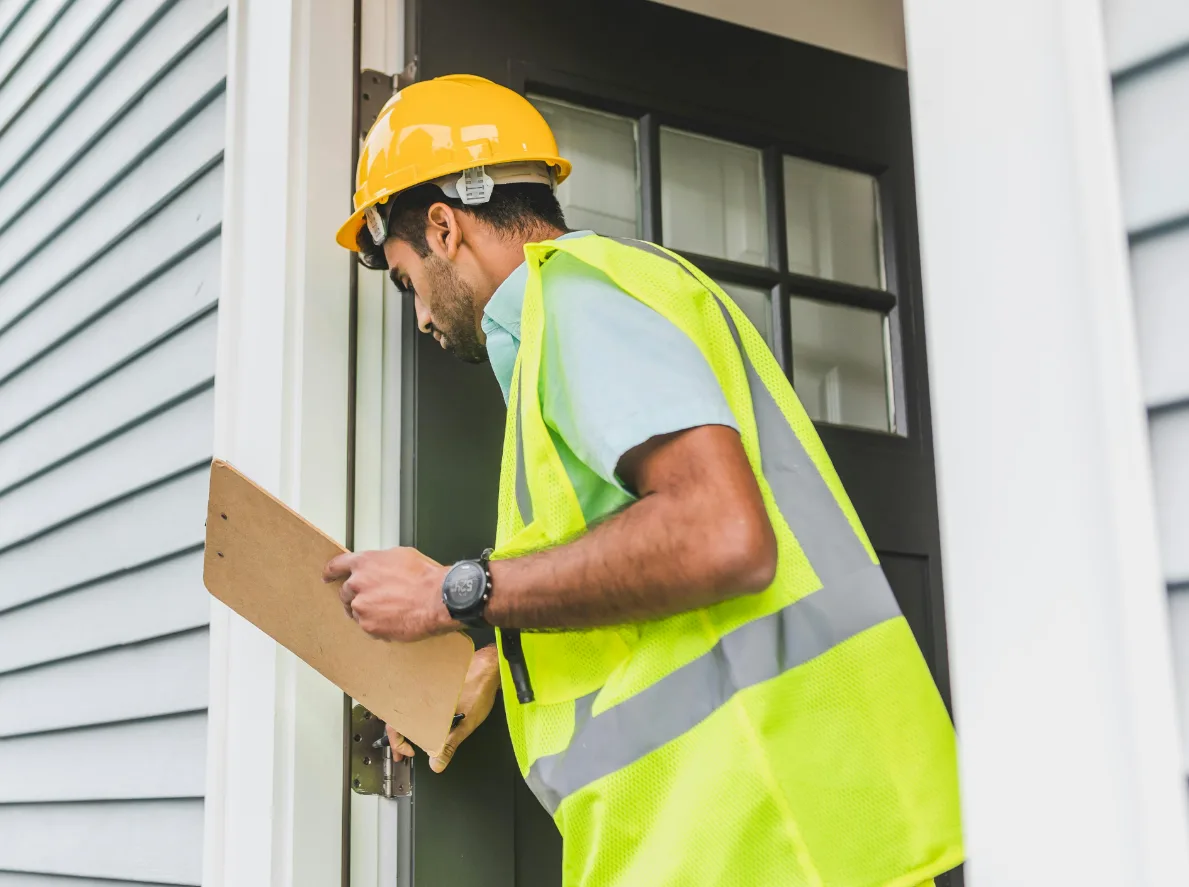
Card readers are the physical component of access control systems. When an employee presents a badge or card, the reader communicates with the access controller, which checks permissions and releases the door lock. Modern commercial access relies on card readers for most entry points.
Reader technology has evolved significantly. Early systems used 125 kHz proximity cards (HID Prox, Indala) that were easy to clone. Modern systems use 13.56 MHz smart cards (HID iCLASS SE, MIFARE DESFire EV2) with cryptographic authentication.
The latest systems add mobile credentials (phone-as-card) for convenience and security.
Treasure Coast Locksmith installs readers for new access control projects and upgrades existing systems. We work with HID, Allegion, Honeywell, and major commercial brands. All installations use current best practices including OSDP Secure Channel where supported.
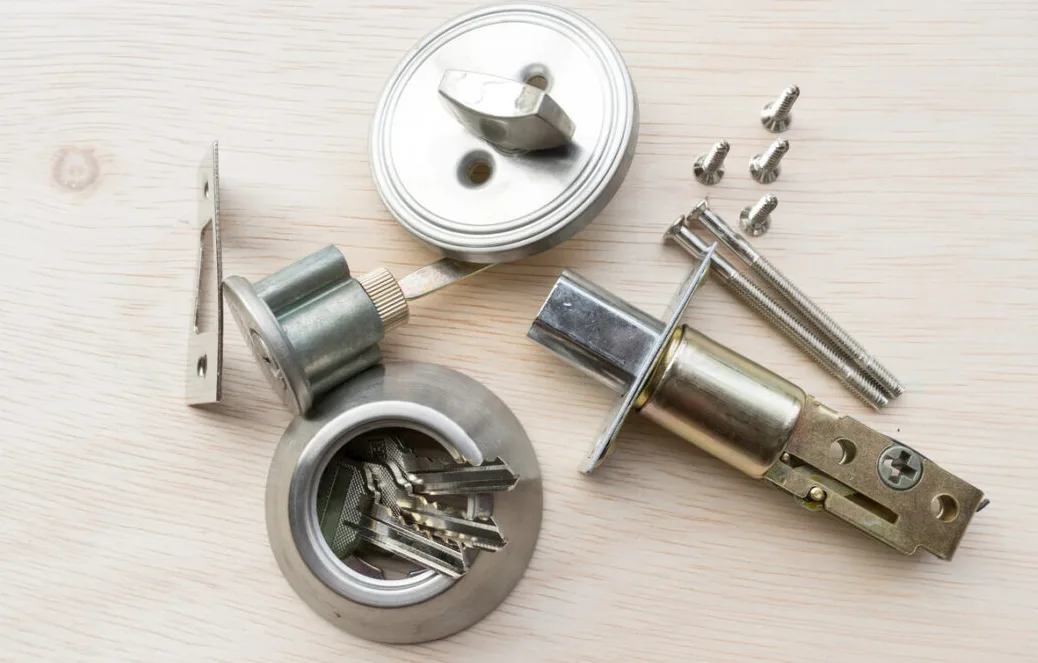
Card reader specialty
- HID iCLASS SE - encrypted smart card standard.
- Multi-tech support - legacy Prox + new smart card.
- OSDP Secure Channel - encrypted reader-to-controller.
- Mobile credentials - phone-as-card support.
- Weatherproof exterior - outdoor gate and perimeter.
- Vandal-resistant - public-area hardened readers.
- Wiegand compatibility - integrate with existing panels.
- Biometric integration - card + fingerprint for high security.
Common card reader scenarios
Real reader installation situations.
Typical calls
- Port St. Lucie office with HID iCLASS SE reader upgrade from legacy Prox.
- Stuart warehouse with multi-tech reader supporting transition from old to new cards.
- Vero Beach medical with OSDP reader installation for HIPAA audit compliance.
- Fort Pierce manufacturing with weatherproof exterior gate readers.
- Tradition office building with mobile credential reader upgrade.
- Jensen Beach retail with vandal-resistant reader for after-hours access.
- Palm City property management with multi-tenant reader installation.
- Treasure Coast campus with biometric-card combo reader for high-security area.
Reader technology and security evolution
Commercial card readers have gone through several generations. Understanding the differences matters because older technology is vulnerable to cloning and shouldn't be used for new installations.
125 kHz Proximity (HID Prox, Indala): The legacy standard. Cards transmit a fixed ID that's easy to clone with devices available online for $30. Still common because of installed base but shouldn't be used for new security-conscious installations.
13.56 MHz Smart Card (iCLASS, MIFARE): Uses cryptographic authentication between card and reader. HID iCLASS SE and MIFARE DESFire EV2 are current standards. Much harder to clone, require attacking the cryptographic protocol.
Multi-Technology Readers: Support both legacy Prox and new smart cards simultaneously. Useful during transition periods when you want to upgrade readers before replacing all cards. Users on old cards keep working while new issues get secure cards.
Mobile Credentials: Phone-as-card using Bluetooth Low Energy, NFC, or combination. HID Mobile Access, Openpath, and Brivo all offer mobile credential systems. Benefits: no physical card to lose, users already carry phones, can be revoked instantly, supports multi-factor via phone biometric.
Wiegand vs OSDP: Wiegand is the legacy reader-to-controller protocol dating to the 1970s. It's unencrypted and allows attackers to capture credential data on the wire. OSDP (Open Supervised Device Protocol) is the modern replacement with encrypted communication.
OSDP Secure Channel should be used for all new installations. See Security Industry Association OSDP for technical details.
Biometric integration (fingerprint or facial recognition combined with card) provides two-factor authentication for high-security areas. Card alone doesn't prove the presenter owns the card - biometric plus card does. Common in server rooms, cash handling areas, and pharmacy storage.
Card reader installation process
Site survey
Call (772) 758-1322.
Identify doors, existing infrastructure, and goals.
Specification
Select reader technology matched to security needs and credentials.
Installation
Mount readers, pull cable to controllers, configure OSDP where supported.
Credentialing
Issue cards or mobile credentials, train admin, document system.
Card reader tips
- Use HID iCLASS SE or newer for any new install.
- Enable OSDP Secure Channel wherever supported.
- Consider multi-tech readers during credential migration.
- Install weatherproof readers for exterior applications.
- Use vandal-resistant models in public areas.
- Document reader-to-controller wiring for future service.
Related services
Other Treasure Coast Locksmith services in this cluster.
Card reader installation FAQs
Common questions from Treasure Coast businesses.
How much does card reader installation cost?
Single reader installed: $495-$1,295 depending on reader type and wiring complexity. Multi-door projects: $2,500-$15,000+. Mobile credential systems: $3,500-$25,000 for cloud-based.
OSDP upgrades run 10-20% more than Wiegand. Free site survey and quote.
What's the difference between prox and smart card readers?
Prox (125 kHz) cards are easy to clone and should not be used for new security installations. Smart cards (13.56 MHz like iCLASS SE) use cryptographic authentication and are much harder to clone. Always choose smart cards for new deployments.
What is OSDP and why does it matter?
OSDP (Open Supervised Device Protocol) is the modern replacement for legacy Wiegand reader-to-controller protocol. OSDP supports encrypted Secure Channel communication, preventing wire tapping attacks. All new commercial installations should use OSDP.
Can I upgrade my readers without replacing all cards?
Yes. Multi-technology readers support both your old cards and new cards simultaneously during transition. Install multi-tech readers first, then migrate users to new cards over months without service interruption.
Do you install mobile credential systems?
Yes. HID Mobile Access, Openpath, Brivo mobile, and other phone-as-card systems installed. Mobile credentials eliminate physical card costs and support instant revocation.
Can card readers work outside?
Yes. Weatherproof readers rated IP65 or IP67 for outdoor gate, perimeter, and exterior door applications. Florida climate requires proper rating for salt air and humidity.
What about vandal-resistant readers?
Yes. Hardened readers for public access areas, rough environments, or high-traffic locations. Metal bezels, recessed installations, and impact-resistant construction.
Do you integrate with existing access control panels?
Yes. Most card readers use standard Wiegand or OSDP protocols compatible with major panel manufacturers. Honeywell Pro-Watch, Software House C-CURE, Lenel OnGuard, and other commercial systems supported.
Can I have biometric plus card at the same door?
Yes. Dual-authentication readers combine fingerprint or facial recognition with card presentation. Used at server rooms, cash rooms, pharmacy storage, and other high-security areas where single-factor is insufficient.
How long does installation take?
Single reader replacement: 1-2 hours. New installation with cable pull: 3-6 hours per door. Multi-door projects phase over days or weeks.
Business hours installations possible - we work around occupancy.
Do you provide card encoding service?
Yes. Initial card encoding and user enrollment for new systems. Ongoing card issuance support or training your admin to handle internal provisioning.
Can you retrofit Wiegand to OSDP?
Yes, when controllers support OSDP. Some older controllers only support Wiegand and would need upgrade. We evaluate existing infrastructure during site survey.