Lock bumping uses a specially cut "bump key" to open standard pin tumbler locks in under a minute. Defeated by high-security cylinders: Medeco M3/Maxum, Mul-T-Lock MT5+, Schlage Primus, Abloy Protec2. Cheapest upgrade: cylinder re-pin with security pins ($35 - $85). Best upgrade under $500: Medeco Maxum deadbolt (~$295 - $395 installed).
- 20+Years on the Treasure Coast
- 5095-Star Google Reviews
- <30 minTypical Port St. Lucie Response
- $89-150Most Emergency Calls
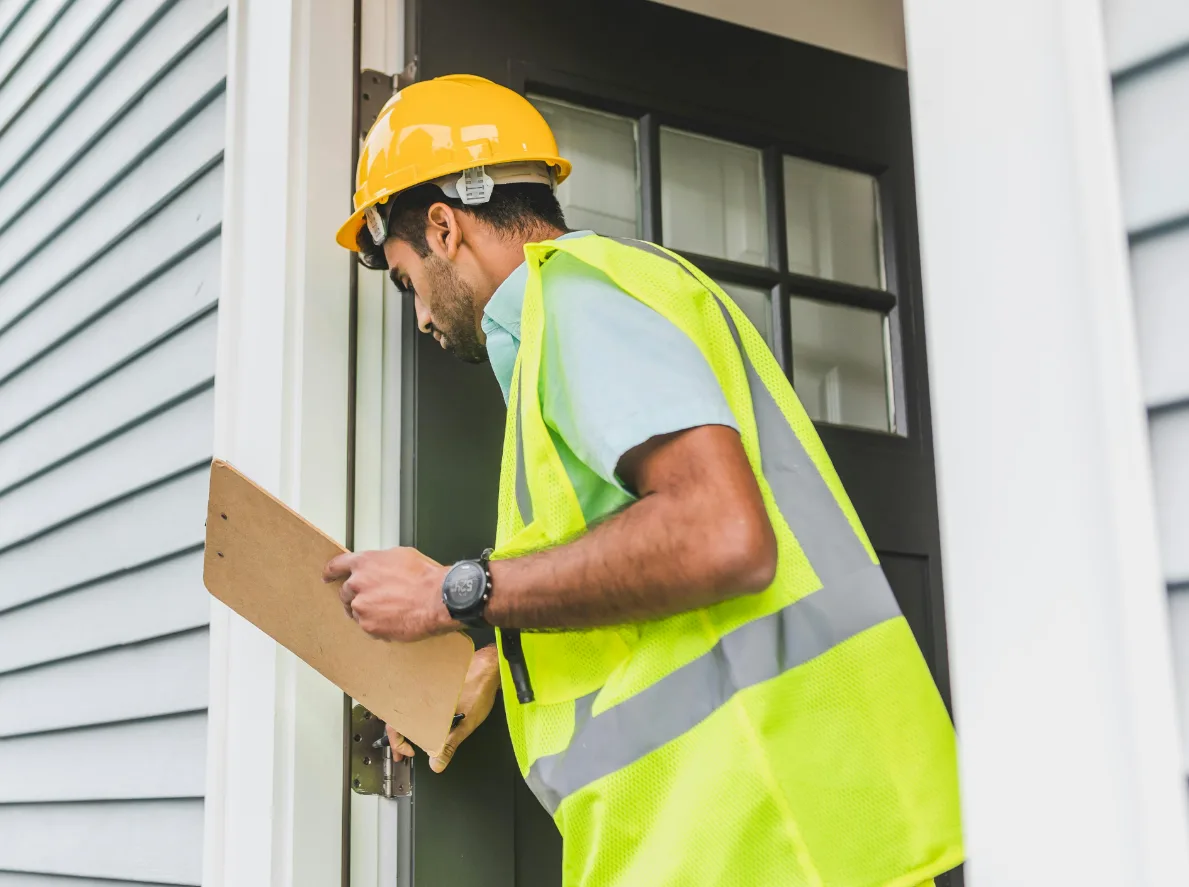
What Is Lock Bumping?
Lock bumping is a covert lock-opening technique that exploits how standard pin tumbler locks work. It uses a "bump key" - a key cut to the maximum depth of every pin position (a 999 key in locksmith shorthand).
The attacker inserts the bump key, applies slight turning pressure, and taps the bow of the key with a small hammer or bump tool. The impact transmits kinetic energy up through the key into the lock's pins, causing the driver pins to briefly separate from the key pins above the shear line - at which moment the plug rotates and the lock opens.
It was documented publicly in the mid-2000s by Dutch researchers. The YouTube demonstrations that followed turned a quiet locksmith technique into a consumer panic. Some of that panic was warranted, most of it wasn't - but it did push the industry toward better standard cylinders.
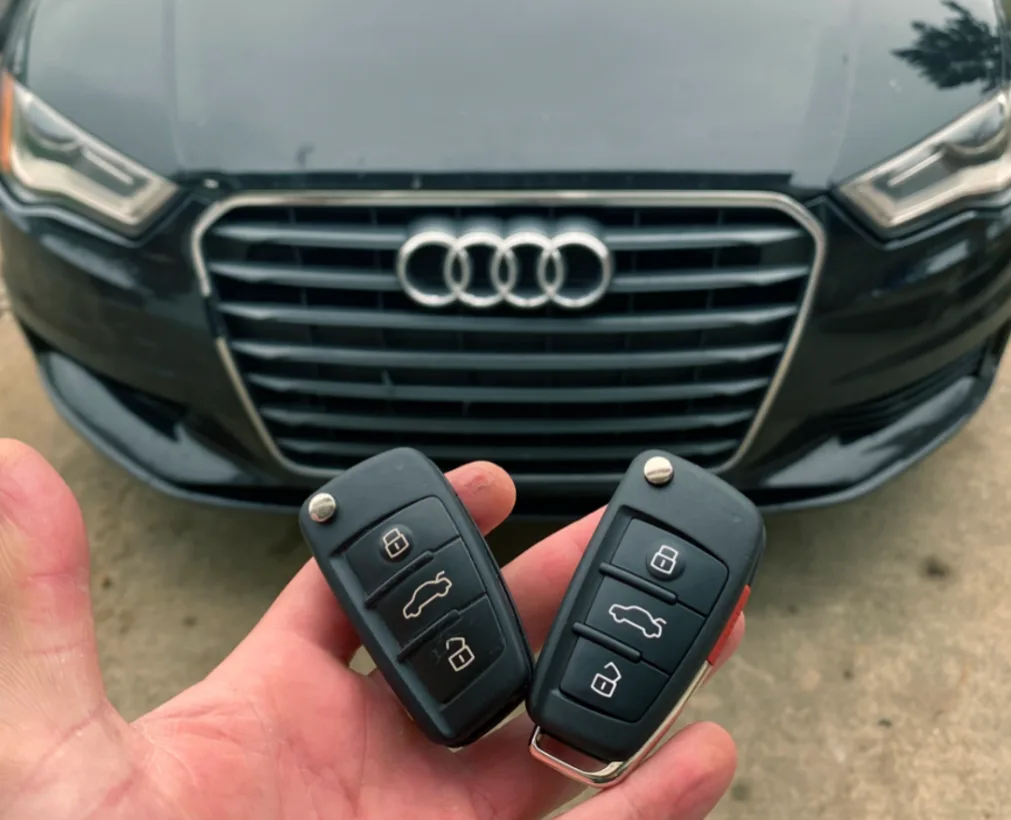
How Bumping Works - Step by Step
This isn't a how-to. It's an explainer so you understand what the defense needs to block. A licensed locksmith walks through this mechanism to evaluate whether a specific lock is vulnerable.
Step 1: Bump key selection
The attacker needs a key blank matching the brand and keyway (Kwikset KW1, Schlage SC1, etc.). Cut to all max-depth cuts - this is trivial with a basic code cutter or even a file.
Step 2: Insert and slightly withdraw
Key goes fully in, then pulled back one click so each cut sits "one pin back" of the shear line. This is the essential setup.
Step 3: Apply turning torque
Thumb presses the key bow in the direction of rotation - just enough to engage the plug, not enough to jam it.
Step 4: Tap the bow
A small hammer, screwdriver handle, or purpose-built "bump tool" strikes the key. The shock separates driver from key pins for a millisecond.
Step 5: Plug rotates
During that millisecond of gap, the plug turns under the light torque, pins reset below the shear line, and the lock opens.
Total time for a skilled operator: 5 - 30 seconds. For a novice fumbling YouTube tutorials: 1 - 3 minutes with some noise. Against a high-security lock: indefinite - because the mechanism has additional security features that don't care about the pin shear line.
How Common Is Bumping Actually?
Less common than the internet suggests - more common than most homeowners realize. Most Treasure Coast residential burglaries are still through forced entry (kicked door, broken window, patio slider lifted off its track). That's loud, fast, and easy.
Bumping, by contrast, is quiet and leaves little evidence. When it does happen, it's often missed entirely because the homeowner assumes the door was unlocked, a family member let someone in, or someone lost a key. Insurance claims where bumping was confirmed are unusually low because it's so hard to prove.
The threat profile is higher in affluent neighborhoods where a professional would consider the risk/reward worthwhile. Common residential doors in Port St. Lucie, Jensen Beach, Stuart, and Vero Beach all run standard pin tumbler cylinders that are bumpable in principle.
Where bumping matters most
- Homes with known high-value contents (coin collections, safes, firearms, art)
- Vacation and second homes that sit empty - attacker has unlimited time
- Rental properties with history of tenant turnover and uncontrolled key copies
- Multifamily and HOA communities where anyone can loiter near units
- Businesses with standard residential-grade deadbolts on back doors
Bump-Resistant Locks (Ranked)
These are the cylinders that actually defeat bumping. Not marketing claims - actual mechanical defenses that don't rely on standard pin tumbler geometry.

- Medeco M3 / MaxumAngled cuts plus a sidebar that must rotate to match. A bump key can't engage the sidebar. UL 437 listed. Gold standard for US residential high-security.
- Mul-T-Lock MT5+ / HercularTelescoping pin-in-pin design with a separate internal mechanism. Bumping is mechanically impossible on correct installation. Common on Florida estates.
- Abloy Protec2Uses rotating disc detainers instead of pins. No pin tumbler geometry means no bumping vulnerability at all. Finnish engineering, premium price.
- Schlage Primus / Everest 29Secondary sidebar and security pins. Better than standard Schlage but not as bulletproof as true high-security brands. Good mid-tier option.
- ASSA Twin / Sargent SignatureDual-locking mechanisms with sidebars. Common in commercial high-security applications. Resist bumping, picking, and drilling.
- BiLock / Kaba GeminiSpecialty high-security brands. Bump-proof by design. Lower residential availability in Florida - typically special-order.
Any of these cylinders, properly installed and keyed, will defeat lock bumping as a threat. The remaining question becomes how much you want to spend and whether restricted keyways matter to you (they should - more on that below).
Alternative: Upgrade to a Medeco or Mul-T-Lock
If you want one recommendation, here it is: Medeco Maxum deadbolt on the front door, Mul-T-Lock cylinder on the back. Both use restricted keyways, meaning key blanks aren't sold at Home Depot. Anyone wanting to copy your key needs to prove ownership and use an authorized dealer.
Medeco Maxum runs $295 - $395 installed in most Treasure Coast homes. Mul-T-Lock retrofit cylinders (which fit into existing Schlage, Kwikset, or commercial mortise hardware) run $175 - $285 installed.
| Upgrade Option | Installed Price | Bump Resistance |
|---|---|---|
| Security pins re-pin (existing cylinder) | $35 - $85 | Partial |
| Schlage Primus retrofit cylinder | $165 - $245 | Good |
| Mul-T-Lock retrofit cylinder | $175 - $285 | Excellent |
| Medeco Maxum deadbolt (complete) | $295 - $395 | Excellent |
| Abloy Protec2 deadbolt | $395 - $595 | Best Available |
Installed pricing for Treasure Coast homes. Includes cylinder, labor, strike adjustment, and 3 high-security keys.
The hidden benefit: these cylinders also resist drilling, picking, and manipulation. Bumping is just one of several attacks they defeat simultaneously.
Signs Someone Tried to Bump Your Lock
Bumping is designed to be invisible, but it's not always perfect. Here's what a locksmith looks for when a customer suspects something.
Evidence of a bump attempt
- Fresh metal shavings inside or just below the keyway opening
- Tiny dings or burrs on the exterior edges of the keyway
- Your own key suddenly feels gritty or rough turning the lock
- The plug has slight rotational play when no key is inserted
- Discarded bump keys in nearby trash or shrubbery - happens more than you'd think
- Door was closed but not locked when you're sure you locked it
Any of these warrant a locksmith inspection. We can disassemble the cylinder, check for abnormal pin wear, look for driver-pin deformation, and determine whether a rekey or full replacement is appropriate.
Post-incident, the right move is always a cylinder upgrade - not just a rekey. A rekey with the same standard pin tumbler just resets the pin heights and leaves you vulnerable to the same attack.
Florida / Treasure Coast Specifics
A few things worth knowing if you live in Florida, specifically on the Treasure Coast.
Coastal salt air and high-security locks. Medeco, Mul-T-Lock, and Abloy cylinders use stainless and nickel alloys that handle salt air better than the brass-and-plated-zinc standards. If you're in Hutchinson Island, Vero Beach beachside, or Sailfish Point, a high-security upgrade solves two problems at once.
Homeowner insurance and high-security hardware. Some Florida insurers offer modest discounts (1 - 3%) for documented high-security deadbolts on primary entries. Worth asking your agent. Keep the receipt and photos.
Burglary patterns. Most Port St. Lucie and Fort Pierce residential break-ins we see are still forced entry - not bumping. That said, Sewall's Point, Sailfish Point, John's Island, and Jupiter Island have seen occasional quieter entries where bumping is a plausible explanation.
Florida locksmith licensure. Licensed locksmiths in Florida are permitted to possess bump keys for professional use. That's why licensing matters - unlicensed "locksmiths" advertising online may possess these tools without the accountability structure that comes with professional licensure and state licensure.